

Learn how 3D modelling of buildings is changing the way designers do their jobs. Find out the most important methods, the biggest benefits, and what the future holds for 3D modelling in architecture.
Learn about the new opportunities that 3D modelling is bringing to architecture. We will talk about the advantages of using 3D visualisation and what it might be able to do in the future.
In the past, modelling was a futuristic idea. Now, it’s the best way for an architect to tell a story. It makes designs into real-life experiences long before they build them. With 3D visualisation, architects now go beyond traditional two-dimensional drawings and into the world of three-dimensional virtual representations.
This technology lets architects create design experiences that are more interesting and immersive for users than ever before. We’ll talk about how architectural 3D modelling has changed the game and what it means for the future in this blog post.
We will talk about the main benefits of 3D visualisation in architecture and some of the cool new things it might bring in the future.
Table of Contents:
- What 3D Architectural Modelling Is and How It Helps?
- Key Benefits of 3D Modelling in Architecture
- Better Visualisation Enhances Design Clarity
- Better Communication Improves Collaboration
- The Iterative Design Process Speeds Up Refinement
- Realistic Simulation Increases Accuracy
- Client Engagement Grows with Immersive Technology
- Fewer Mistakes and Bigger Savings
- Main Methods of 3D Modelling for Architectural Design
- Conceptual Modelling Encourages Innovation
- Polygon and Mesh Modelling Create Detailed Geometry
- Parametric and Algorithmic Modelling Offers Flexibility
- Building Information Modelling (BIM) Supports Team Collaboration
- Point Cloud Modelling Captures Real-World Precision
- How 3D Modelling Improves User Experience?
- Real-World Applications of 3D Modelling in Architecture
- Visualising a Home Project
- Commercial and Office Space Modelling
- Mixed-Use Urban Developments
- Real Estate Marketing with 3D Visuals
- Interior Design for Commercial Portfolios
- Hospitality Design Visualisation
- Why Many Choose to Outsource 3D Modelling Services?
- Access to Skilled Experts and Cutting-Edge Tools
- Budget-Friendly and Scalable Services
- Faster Completion of Complex Projects
- Consistent Visual Quality Across Presentations
- What’s Next: AI and Real-Time Tech in 3D Architecture?
- Conclusion: Designing Immersive Experiences Through 3D Modelling
What 3D Architectural Modelling Is and How It Helps?
You can make virtual models with 3D modelling software. These models show the whole design, including things like surface textures, lighting effects, spatial dimensions, and even structural details.
Architects use a lot of different tools and methods to make digital copies of buildings, landscapes, interiors, and other things that are very detailed. These copies help create a 3D Architectural Model and are very useful for making 3D models of buildings. Three-dimensional modelling has a lot of good points and benefits for architecture.
Key Benefits of 3D Modelling in Architecture
Better Visualisation Enhances Design Clarity
3D rendering lets architects see designs in three dimensions, which helps them picture what the finished building will look like. This method plays an important role in architectural 3D modelling because it makes it much easier to show stakeholders how things fit together and look. Because they are immersive, 3D models help people understand the design idea better. This helps people make better choices.
Better Communication Improves Collaboration
3D models offer a great way for architects, clients, contractors, and other people working on a project to talk to each other. 3D designers make things look good and easy to understand, which makes it easier to share ideas. This is why 3D architectural modelling holds so much importance in clearing up confusion and making sure everyone understands the project’s goals.
The Iterative Design Process Speeds Up Refinement
Architects can quickly change and improve their designs with 3D modelling. They can make changes quickly with this real-time feedback loop, which leads to better results. This helps them make their ideas better and work towards the best results.
Realistic Simulation Increases Accuracy
3D architecture modelling lets architects use real-world textures, lighting, and materials to see how spaces will look and feel. It’s easier to tell how good the design looks, how well it works, and how well it works for all users with this level of detail. Architects can find possible problems or ways to improve things before construction even starts. This saves time and money and makes fewer mistakes in the design.
Client Engagement Grows with Immersive Technology
Immersive technologies like virtual and augmented reality let people interact with 3D models of buildings before they build them. Clients can give helpful feedback, learn more about the project, and make smart decisions when they are this involved. In the end, it makes clients happier and makes it more likely that the design goals will be met.
Fewer Mistakes and Bigger Savings
3D modelling helps designers find mistakes before they start building, which means they don’t have to make expensive fixes later. Accurate visualisation helps systems work together and speeds up the process of getting things approved. This cuts down on the number of changes needed during the building process, which saves money and makes the project more dependable.
According to a new report from DataHorizzon Research, the global market for 3D modelling services will be worth about $5.4 billion in 2024. With a compound annual growth rate (CAGR) of 15.1% from 2025 to 2033, it will be worth $22.3 billion by 2033.
Main Methods of 3D Modelling for Architectural Design
Conceptual Modelling Encourages Innovation
This method is quick and flexible, which makes it great for coming up with new ideas and testing out different forms before making a final decision. It plays a key role in making 3D models of buildings, especially at the beginning of the design process.
Polygon and Mesh Modelling Create Detailed Geometry
Used to create detailed geometry, facades, and sculptural elements; common in visualisation tools like Blender and 3ds Max.
Parametric and Algorithmic Modelling Offers Flexibility
You can design based on rules (like with Grasshopper for Rhino), which lets you make quick, consistent changes to complicated structures.
Building Information Modelling (BIM) Supports Team Collaboration
BIM supports collaborative workflows because it combines design geometry with important information like materials, schedules, and budgets. It plays a vital role in good architectural 3D modelling services that support both the design and building stages.
Point Cloud Modelling Captures Real-World Precision
This method uses information from laser scans or drones to make precise models of real places. It helps with renovation and preservation projects because it shows how things really are on the site and supports advanced 3D modelling for architecture.
How 3D Modelling Improves User Experience?
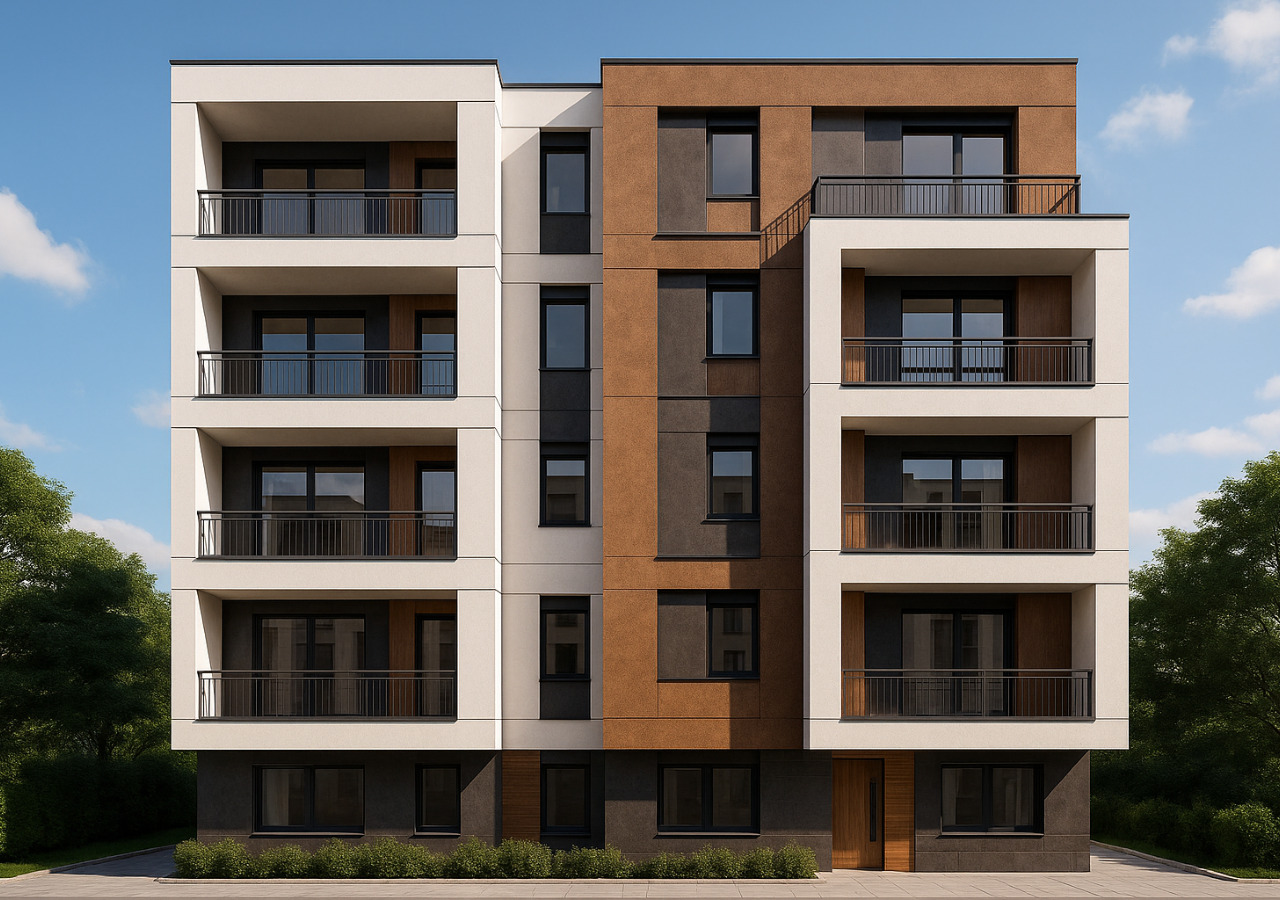
One great thing about 3D architectural modelling services is that they can make virtual models look more real by adding textures, materials, and lighting. With this level of detail, architects can copy how natural light looks and how materials look. Users feel better about and more connected to the product when it has this level of detail. They can feel the space’s mood, see how light and shadow interact, and touch different surfaces.
These realistic visuals help people understand better and also make them feel something. They allow users to connect with the design on a deeper level. With virtual reality, users can go into a digitally created world and see the design for themselves. Architects can make virtual walkthroughs that let people move around and look around the space as if they were really there. This immersive experience helps users get a better sense of the design’s size, proportions, and how things fit together in space.
Augmented reality, on the other hand, adds digital information to real-world settings, making a mix of real and virtual things. Architects use 3D modelling to create experiences that are more interactive and interesting than regular design presentations. People who use the space feel like they own it and are connected to it because they are involved in the design process.
These tools show how virtual ideas can turn into real, user-centred experiences, which makes it clear what 3D modelling is in architecture. Architects use this method to design with the user in mind, making sure that the final architectural solutions meet all of their needs. It also makes sure that the designs give the clients experiences that are meaningful and memorable, which makes them happier.
Real-World Applications of 3D Modelling in Architecture
Visualising a Home Project
PIXREADY used high-end 3D renderings to show off the Swann’s Point House project, which combined colonial charm with modern elegance. The client could almost walk through the house, try out different materials, and see how the lighting would look in each room. This immersive experience helped us come up with a design that was perfect for both the client’s vision and the natural environment.
Commercial and Office Space Modelling
PIXREADY worked with a well-known architecture firm to create high-quality 3D models of the outside of a large commercial building in Dubai. The pictures showed buildings, public spaces, and active environments with people in them, which helped investors see the site’s full potential and make smart choices.
Mixed-Use Urban Developments
PIXREADY also helped investors see a big mixed-use project by working with a company in Dubai. Using drawings and other reference materials, the team made five detailed 3D views that showed residential, recreational, and commercial areas. The pictures made it clear what the project was about, which made investors feel good about it and helped it move forward.
Real Estate Marketing with 3D Visuals
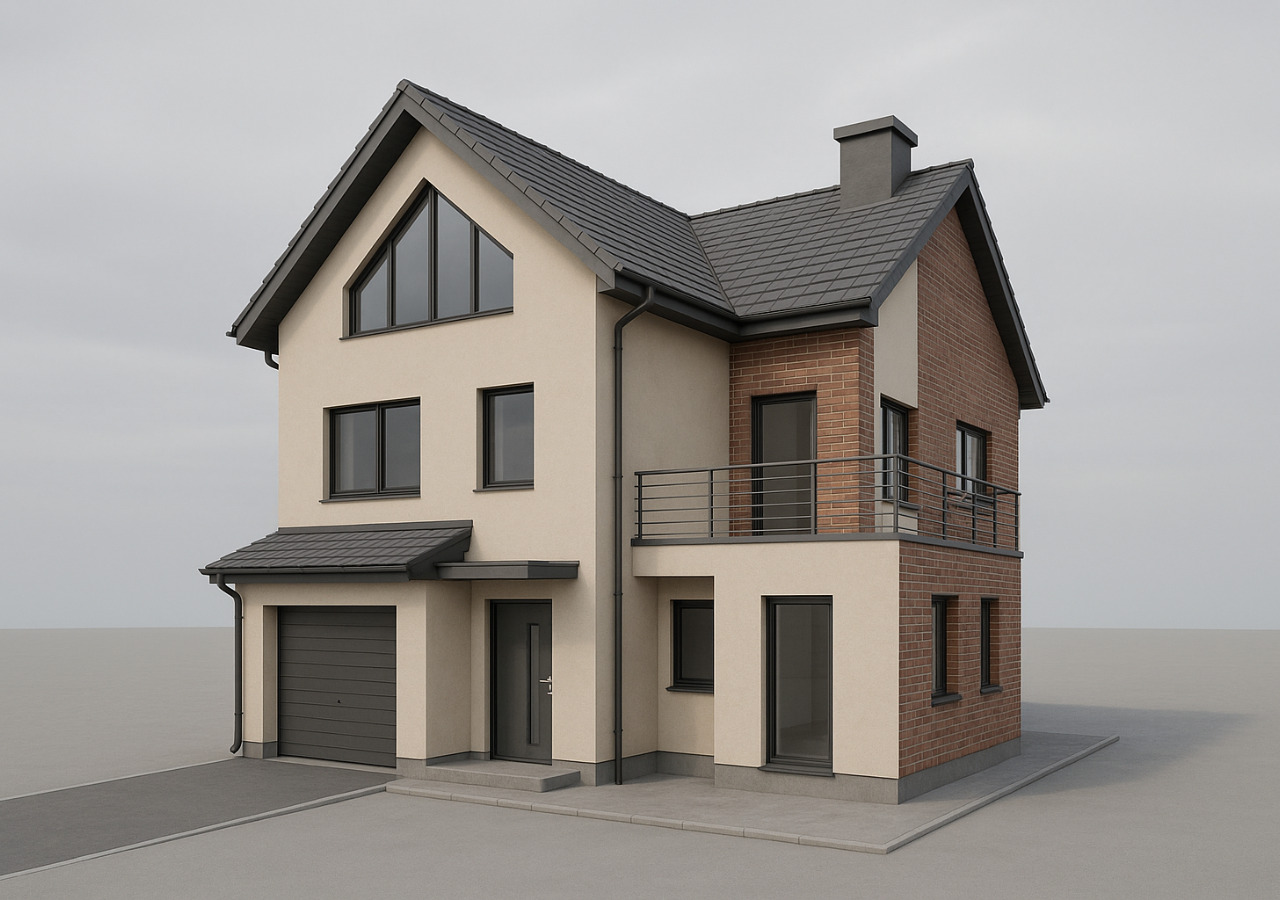
Before construction started, a real estate developer hired PIXREADY to make realistic 3D images of a modern townhouse complex to help with marketing. The pictures showed clean lines, beautiful landscaping, and natural light, which helped people who were thinking about buying a home picture what it would be like. These drawings were very helpful in getting people interested early on, getting approvals, and lowering the risks of building.
Interior Design for Commercial Portfolios
The property portfolio of a U.S. real estate investment company needed a new look. PIXREADY used 3D modelling architecture services to make pictures of the insides of stores and offices that looked like real life. These better pictures made clients more interested, sped up the sales process, and got great reviews.
Hospitality Design Visualisation
PIXREADY worked with architects to give the famous Palace Hotel entrance in New York City a new look. The team made the design intent clear by showing detailed drawings of the layout and the materials they chose. These 3D models for architectural visualisation helped get the city to approve the renovation and showed it off with confidence.
Why Many Choose to Outsource 3D Modelling Services?
Access to Skilled Experts and Cutting-Edge Tools
When you hire dedicated 3D visualisation teams, you get access to the best software and the most skilled professionals. These professionals know a lot about 3D architectural modelling, rendering, lighting, and post-production. They promise to deliver a level of technical and creative work that is hard to get from your own team.
Budget-Friendly and Scalable Services
When you outsource, you don’t need to pay for expensive infrastructure, software licenses, or full-time workers. This model especially helps small businesses or firms with fluctuating workloads. It helps them keep the quality high while managing project budgets better.
Faster Completion of Complex Projects
When architecture firms outsource, they can focus on coming up with new ideas and planning for the future while leaving the detailed visualisation work to professionals. Design teams can bring their ideas to life more accurately and effectively with the help of 3D architecture modelling experts, without having to put their main creative goals on hold.
Consistent Visual Quality Across Presentations
You can trust your outsourcing partner to make sure that all of your presentations, whether they are for marketing, investor relations, or client reviews, look the same. Consistent quality improves how people see your brand and builds trust with stakeholders.
When architectural teams outsource, they can focus on what they do best: making plans and coming up with new designs. Then, trusted experts in visualisation can make their ideas come to life in a way that is accurate and powerful.
What’s Next: AI and Real-Time Tech in 3D Architecture?
New technologies are making 3D modelling even better. AI tools can now automatically create floor plans, suggest layouts, and show how lighting will work. Real-time rendering is possible with platforms like Unreal Engine. This lets teams interact with models right away and make decisions faster and better. These new ideas are making 3D modelling smarter and more flexible for architects.
For example, 3D Architectural Models in South Korea are becoming more advanced with real-time tools and automation. The field of 3D Modeling Architecture in South Korea now leads in immersive visualisation, while 3D Modelling Construction in South Korea sets new standards for planning and execution accuracy.
Conclusion: Designing Immersive Experiences Through 3D Modelling
3D modelling for architecture is a game-changing tool that is very important for creating fun design experiences. 3D visualisation makes it easier to design and talk about architectural spaces. This lets architects and clients see the design before they build it, which helps them make better decisions and get better results.
We looked into how 3D modelling can help with teamwork, design exploration, and better visualisation. Virtual and augmented reality make the experience even better. They let people go into the virtual world and interact with the design in a way that is really interactive.
Use the power of 3D modelling architectural services to push the limits of design and create experiences that are both fun and immersive. Architects, designers, and others who work with clients who stay up to date on the latest technology come up with new creative ideas and solutions that clients love.
Get in touch with our team to explore how 3D Architectural Models can transform your next project. We’re here to help you create immersive, impactful designs that leave a lasting impression. Contact us today to start the conversation.