BLOG


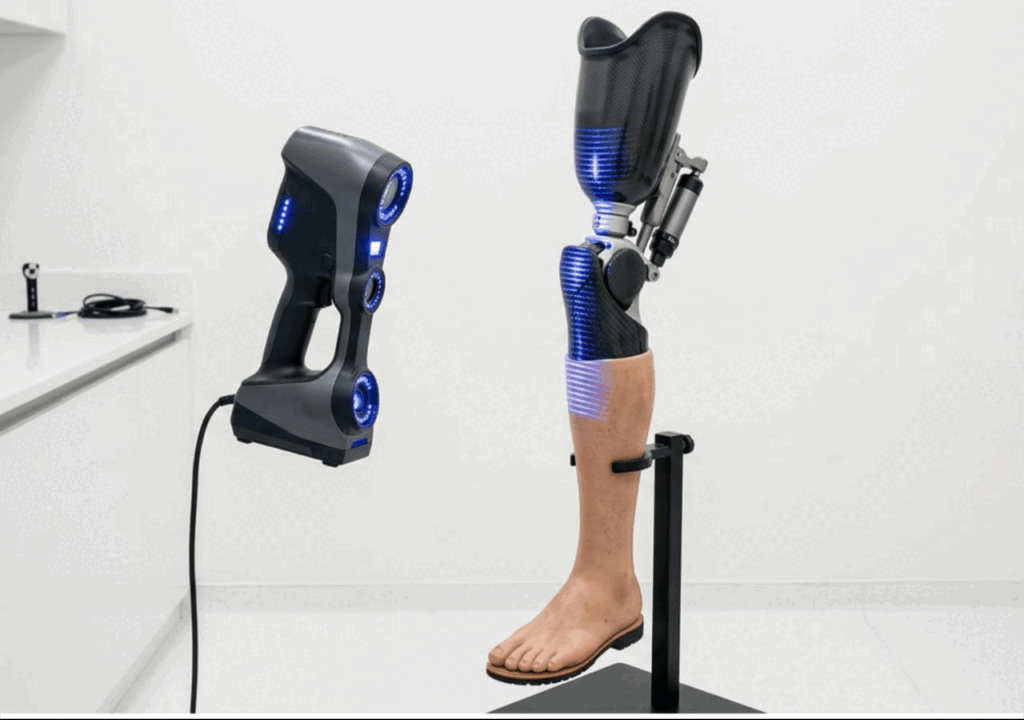
Companies that require specialised scanning capabilities without investing in equipment can consider Outsource 3D Scanning services to access professional expertise, advanced technology, and accurate results for their projects.
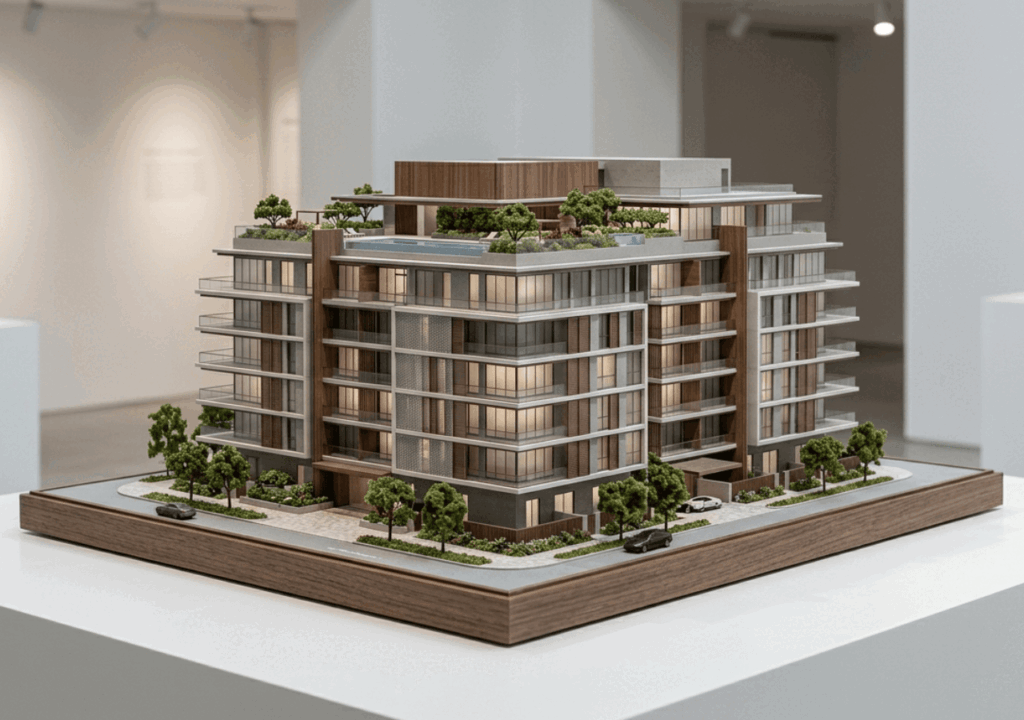
Understanding the basics of 3D modelling tools, creating models from scratch, and using existing assets or scanned objects can help beginners develop their skills and explore new opportunities. If you need professional assistance with creating detailed digital models, Reach With Our Team to explore suitable 3D Modelling Solutions for your project.
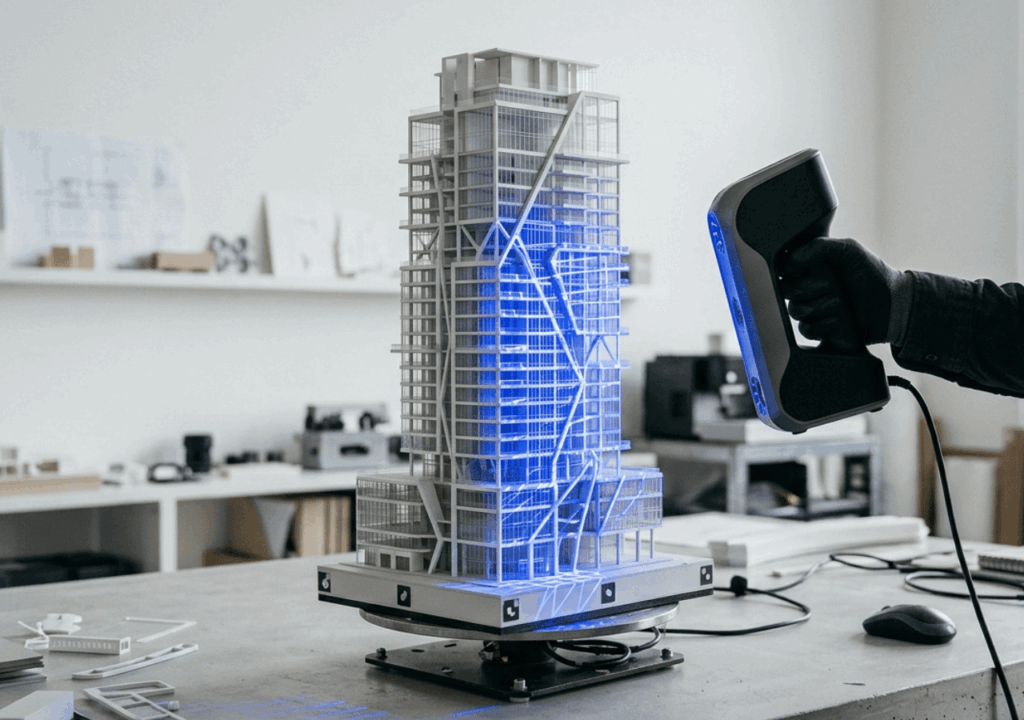
At its heart, what is 3D scanning? It’s a non-destructive technology that precisely captures the shape and, often, the appearance (like color or texture) of a physical object or environment. Think of it as creating a three-dimensional digital photograph.

A 3D Model is a digital representation of an object created using computer-generated geometry. It allows users to visualize, modify, analyze, and simulate real-world objects in a virtual environment.

3D animation is a powerful digital art form that is used in various industries, including movies, video games, and advertisement. This article discusses the different types of 3D animation, process of 3D animation, and its applications. 3D animation is a very complex and time-consuming but exciting process. It requires a lot of skills and expertise to produce high-quality animation work.

3D animation is a detailed process that involves multiple stages, from planning and modelling to animation, rendering, and editing. Each stage plays an important role in creating realistic and engaging visual content.
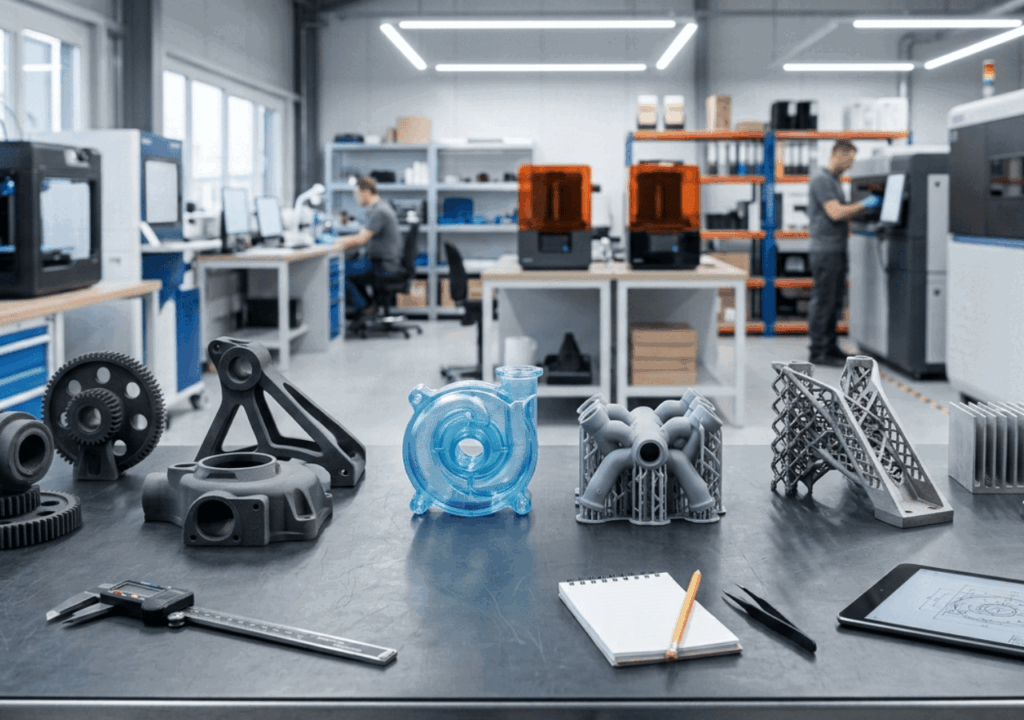
In the contemporary manufacturing and prototyping world, 3D Printing Service Online has become an integral part of the process for businesses, engineers, designers, and even hobbyists. Whether you need something created on a daily basis, require unique pieces of machinery, or need to produce working parts for a machine, an online 3D printing service in Malaysia is the perfect solution. But with so many options at one’s disposal, how does one know which online platform provides the best value for money? Projet is a renowned provider of 3D printing services in Malaysia, with a reputation for quality, affordability, and overall excellence.

3D printing is a disruptive technology that is transforming the way entrepreneurs and small businesses manufacture their products. You can use our 3D printing services to get your products to market faster, test new products, and manufacture customized or unique products with a 3D Printing Company in Malaysia approach to modern production.
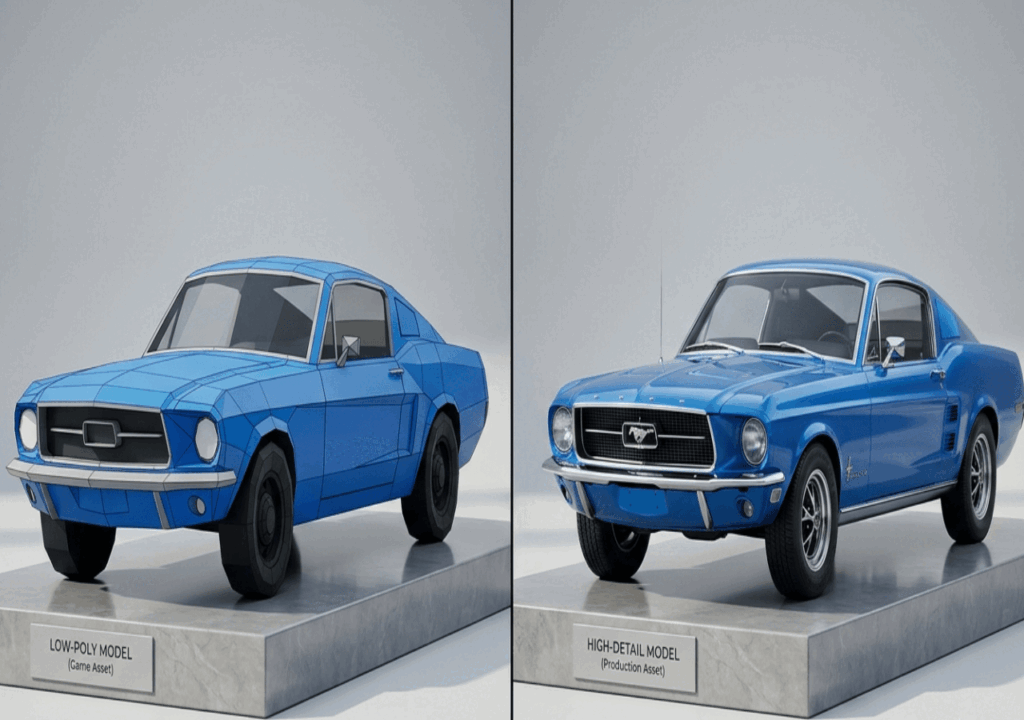
Simply put, a 3D model is a polygon (small surfaces) without any textures (colors, paint, labeling, etc.). You can think of it as a “digital” statue made of clay without paint.
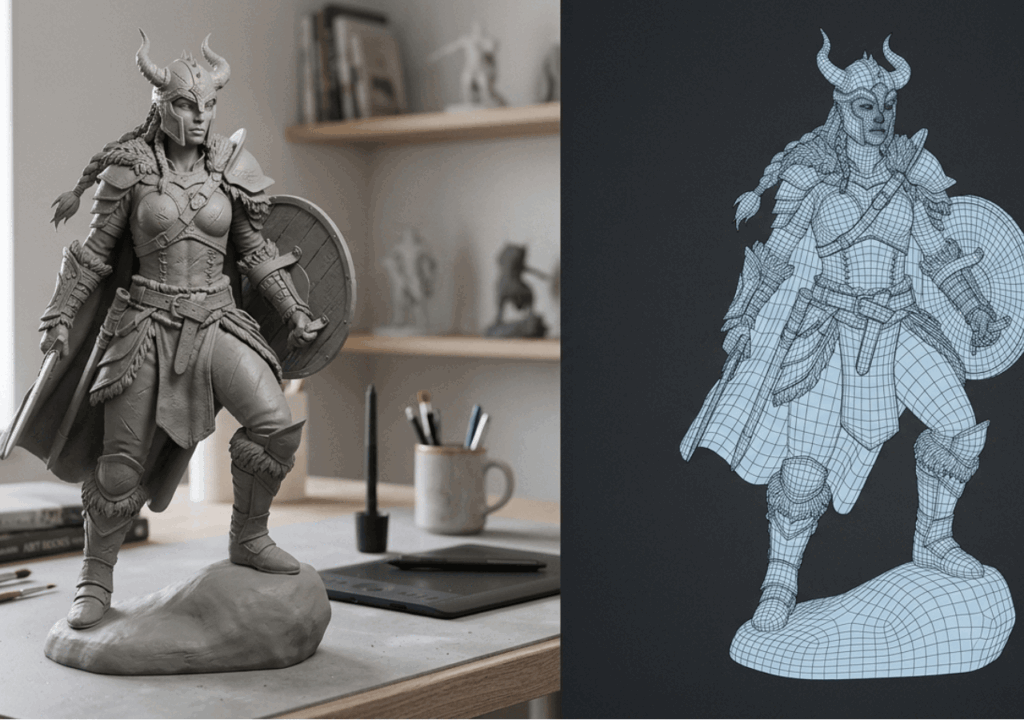
Whether you’re an independent creator or a professional studio, get in touch to learn how expert 3D modeling solutions can support your next game development project.