3D Product Modelling: Essential Guide to Digital Design

3d product modeling, 3d wardrobe render

Getting to Know 3D Product Modeling

3D Product Modeling has become an important tool for turning ideas into digital realities in the fast-paced world of product design today. The procedure uses sophisticated software to make exact three-dimensional models of real things, from early sketches of ideas to completely rigged models that can be made. These digital models help engineers, designers, and marketers work together toward a common goal, cut down on mistakes before manufacturing starts, and get products to market faster. 3D product Modeling Services make it easier for people to work together, communicate visually, and have more flexible processes. A well-organized model lets design, engineering, and marketing teams all use the same asset, making sure that everything stays the same from prototype to launch. Companies that hire outside modeling teams often get better tools, workflows that are ready for the industry, and lower costs than if they built the capabilities in-house.

The Significance of Concept and Geometry in Modeling

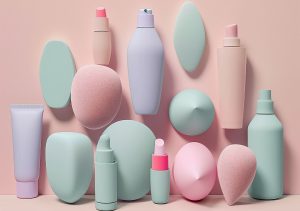
It all starts with a clear idea for the modeling process. Product briefs, mood boards, and rough designs that show the design goal, target audience, functional needs, and manufacturing limits are all important parts of a successful digital mesh project. This preliminary work makes sure that the final model fits with both the creative concept and the technical ability. After the planning of the ideas is done, the next step is to make the geometry. When making 3D items, it’s really important to make a perfect foundation mesh. The mesh must look, feel, and work like real life, whether you use CAD for technical accuracy or polygonal modeling for visual assets. Clean topology makes sure that procedures that come after it, such as visualization, simulation, and manufacturing, go smoothly. 3d product modeling, 3d model of bottles
Picking the Right Modeling Method

Different products need different modeling methods. It is important to choose the right method for the model, whether it is for technical validation, digital marketing, or interactive 3D configurators. For instance, CAD-based solid modeling works well for mechanical parts, whereas mesh-based polygon modeling works better for marketing visuals. Knowing these things will help you get the most out of 3D product modeling services. When you Outsource 3D Product Modeling, you should choose a partner who has the right tools, experience, and a clear process for getting the job done. The best vendors use modeling, visualization, and manufacturing readiness to link technical geometry with marketing materials and production needs.

Prototyping, Visualization, and Iteration

3D product modeling has a lot of benefits, including speed and flexibility. You can try out different materials, finishes, lighting, and shapes on a digital model without having to make real prototypes. Fewer expensive mistakes and a faster time to market are the results of this quick iteration. Visualization is more than just making pretty pictures; it’s about showing choices. Product teams use the same process to make high-quality graphics, animations, and interactive previews that appeal to engineers, marketers, stakeholders, and customers alike. When you hire 3D product modeling services, you get digital assets that can be used in many different ways, which saves you time and money in the long run.

Integration of Manufacturing and Lifecycle

3D product modeling is important for more than just marketing and prototyping; it’s also important for production and lifecycle management. When they contain detailed geometry and the right dimensions, models can be used to drive tool paths, simulations of injection molding, and the preparation of additive manufacturing. This guarantees that anything you make on a computer can be made over and over again. In addition, as the item moves into production and later service, the same digital model continues to be useful by providing technical documents, user manuals, replacement parts, and customer visualizations. This big-picture view is what makes modeling more than just a one-time thing; it becomes useful throughout the product’s existence.

Modeling for Strategic Advantage Through Outsourcing

Outsourcing Modeling to professional vendors lets firms get high-quality work without having to spend a lot of money up front in a competitive field. A dedicated modeling team has a lot of experience in the subject, a mature tool chain, and a strong sense of discipline when it comes to production. When you hire someone else to do 3D Product Modeling, you may quickly grow your team, hire experts, and stay flexible to meet the needs of your project. Outsourcing also lets internal teams focus on their skills, including engineering, marketing, or coming up with new ideas, while the modeling partner takes care of digital art, mesh optimization, and asset delivery. This way of working together fits with modern ways of making products that value speed, quality, and working together.

Final Thoughts

3D product modeling has changed the way companies design, see, and make their products. High-quality digital models help current workflows, make decisions easier, and let you get to market faster, from idea to launch and beyond. By using 3D product modeling services and outsourcing 3D product modeling as needed, businesses can get a strategic edge, lower their risk, and open up new creative possibilities. Join Us today to find out how we can help you bring your next product design idea to life with the support of a Professional Modeling Partner.