
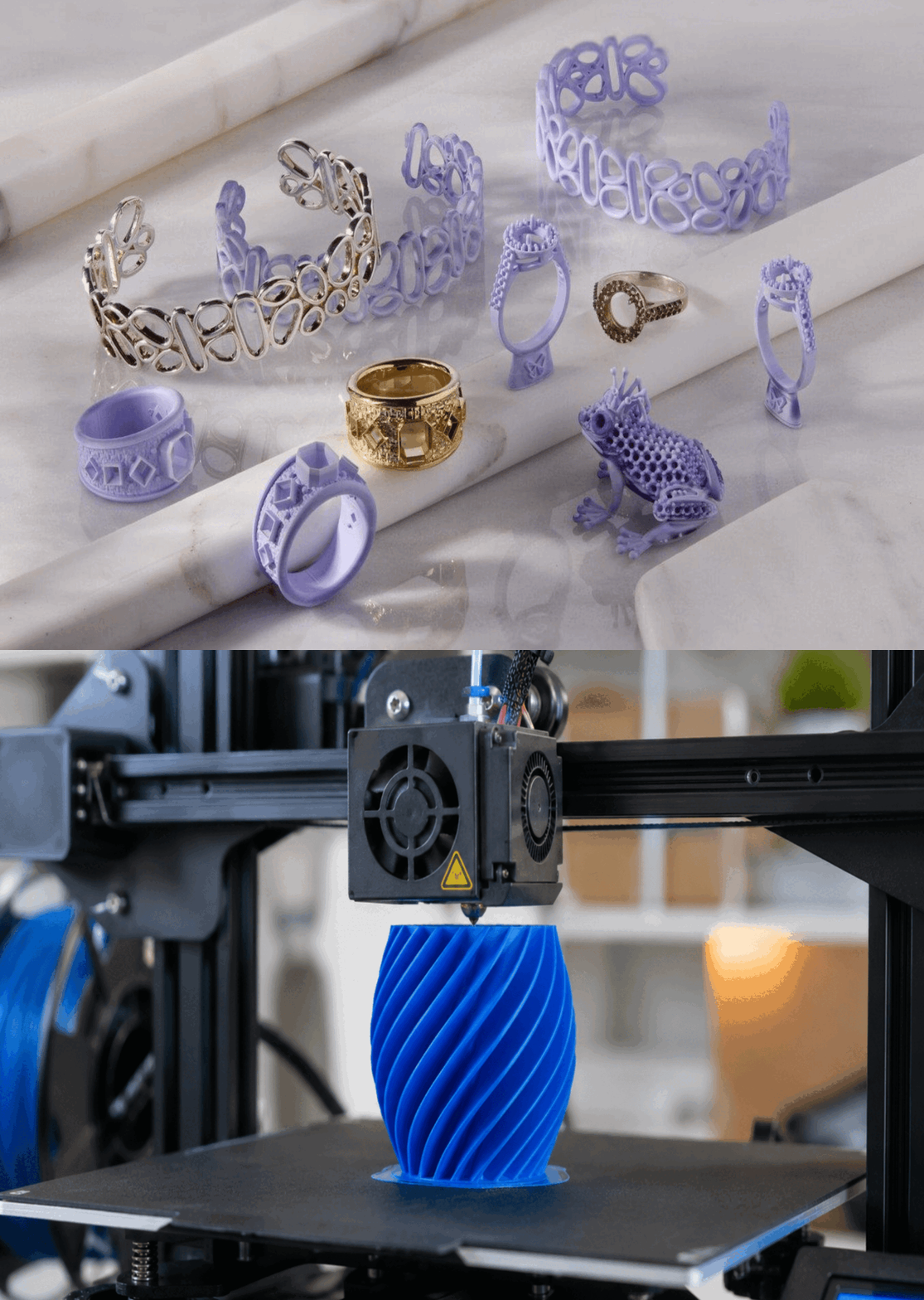
Out of nowhere, factories started using 3D Printing more often. This rise? It ties back to unique perks only this method offers. Yet alongside those gains come hurdles – ones worth pausing for. Though new and promising, every advantage brings something heavier on the other end.
Table of Contents:
3D Printing Pros and Cons Overview
Problems with 3D Printing
Even if 3D printing brings many pluses, drawbacks tag along – material limits, cost issues – that might make it less fitting for some jobs. Because of hurdles like slow output or narrow material choices, picking this method needs careful thought.
1. Limited Material Options
Most everyday making methods work with more types of stuff than 3D printers can handle. Though new options appear often, the choices stay narrow on most machines. Some plastics go here, some metals there – each machine picks its own favorites. Resins fit one process; another needs powder instead. What works in a factory might not find a place inside today’s printed world.
2. Restricted Build Size
Big things won’t fit inside most 3D printers, so they need to be split up first. Printing them in pieces takes longer, needs more hands-on work, because each part has to go together later. Costs rise when you add extra steps just to make one item.
3. Post-Processing Requirements
Once printing finishes, many parts aren’t ready yet. Removing supports is usually next, while rough spots might get sanded down or buffed smooth. Chemical baths, rinses, or heating rounds sometimes follow, depending on the piece. Each of these stages stretches out production duration and lifts overall expense.
4. Expensive at large scale
Most factories save money by building more pieces at once. Not so with 3D printers – each item costs about the same to make, whether one or a thousand. Injection molding slashes expenses in bulk. This method skips that advantage entirely. For huge runs, the math favors old-school techniques every time.
5. Weak Bonds Between Layers Cause Structure Problems
Because it stacks material one slice at a time, each level might not hold tightly to the next. When pressure hits just right, gaps or splits show up where layers meet – suddenly the object isn’t as tough as expected.
6. Design Accuracy Limitations
Some 3D printers fall short when it comes to exactness. The outcome often shifts based on which device is running the job or what method it uses. Tiny gaps between model and print happen more than you’d think. Finishing steps like filing, cutting, or smoothing help close those gaps. Precision arrives later, not right off the build plate.
7. Possible Effect on Factory Work
When machines handle more tasks, people might find fewer jobs in factories. Places built around industrial work could feel the impact most.
8. Copyright and Counterfeiting Risks
Nowadays, 3D printers are easier to get hold of, so people can copy things they shouldn’t. Because of that, fake versions pop up more often, which messes with who owns ideas and whether items are real. Instead of clear rules winning out, confusion grows around whose design is whose.
Benefits of 3D Printing
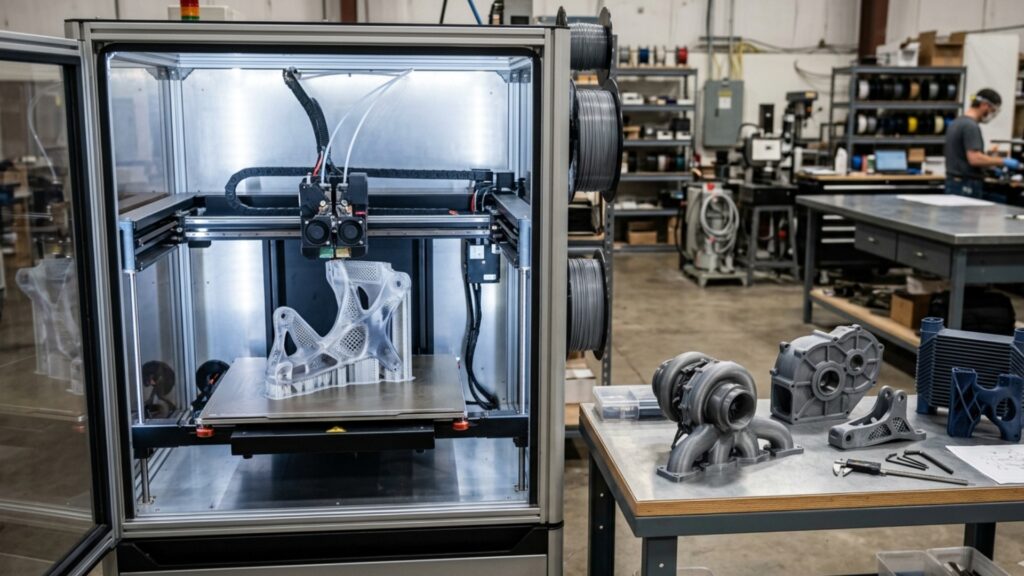
From start to finish, this method works differently than older factory techniques. Design freedom shows up right away when you look at what it can do. Time savings appear not just once but pop up in multiple stages. Costs shift in ways that surprise people who expect usual pricing. Other benefits slip in too, without calling much attention.
1. Flexible Design
Starting out, 3D Printing Company in Malaysia opens doors to shapes once too tricky under old methods. Old-school techniques limited what could be built – those limits fade now. Complexity grows easier when layers build upward instead of parts joining together. Designs once impossible suddenly fit within reach. Freedom in form comes not from rules, but breaking them quietly.
2. Rapid Prototyping
Hours instead of days – that’s how fast a part emerges from a 3D printer. Because of this speed, early testing moves forward without long waits. Unlike traditional machining, which takes time and costs more, printing skips several steps. One change leads to another, then another, each built quickly on what came before. The cycle shrinks, yet quality stays steady.
3. Print on Demand
With print on demand, storage space shrinks since products only get made when needed. Without large batches piling up, companies avoid clutter plus reduce overhead. Production matches actual orders instead of guesses, so nothing sits unused.
When a design gets saved, it lives in a digital space ready for printing through CAD or STL formats. Because each version stays accessible online, pulling up an old plan takes little effort. Changes happen straight inside the file, skipping expense tied to physical stockpile errors. Updating one piece avoids trashing outdated parts sitting around unused. Tools once bought for adjustments now stay idle since edits need no new gear.
4. Strong and Lightweight Components
Plastic takes center stage in 3D printing, even if certain metals sometimes step into the role. Being lighter than metal gives plastics a clear edge. In fields like aviation or car manufacturing, every ounce counts – less weight means better mileage. Efficiency gains come simply by choosing materials that trim the load.
Some pieces come from custom-made stuff so they handle heat better, resist water, or stay stronger. Not every material works the same way when built for tough jobs.
5. Quick design and making
Hours might pass while a complex piece forms, shaped entirely by its blueprint’s details, skipping traditional delays. Faster than casting or carving, this method builds layer by layer under digital guidance. Design shifts happen just as fast – files take shape on screens before slicing into printable code. Ready-made models emerge from software, bypassing old drafting hurdles entirely.
6. Minimising Waste
Parts get made using just enough material, leaving almost nothing behind. Other ways carve pieces out of big blocks that can’t be reused. Less stuff used means less money spent. This way runs cheaper because waste drops off sharply.
7. Cost Effective
One machine does it all when parts come together through 3D printing, cutting down hours along with expenses tied to multiple tools. After setup, these devices work without watching – tasks unfold while people handle other things. Material stays put where needed, since shapes grow layer by layer, leaving almost nothing behind. Though buying hardware demands big spending upfront, another path opens: let outside experts run the print runs instead.
8. Ease of Access
Now you can find 3D printing help nearby, thanks to a growing number of local shops ready to handle production tasks. Skipping long shipping routes means less waiting, especially when contrasted with older methods that rely on factories far away, like those across the ocean in China.
9. Environmentally Friendly
Because less material gets wasted, this method naturally takes a gentler toll on nature. Still, the planet gains even more when lighter 3D-printed pieces boost how far vehicles can go on a tank of fuel.
10. Advanced Healthcare
Printing three-dimensional body parts now helps doctors fix serious health problems. Lives change when replacement livers, kidneys, or hearts come from a machine instead of a donor list. New methods keep appearing, each one pushing what medicine can do. Progress moves fast because hospitals find fresh ways to apply these tools every few months. Breakthroughs once thought impossible happen more often than expected.
More On 3D printing
Need help with determining whether Professional 3D Printing Services is the right process for you?
Get in touch with specialists who’ve spent years shaping how things are built using advanced printing methods. These folks lead their area globally, working hands-on since the early days of creating objects layer by layer.
Because every business has unique needs, tech specialists guide clients through smart choices. One size never fits all, so tailored approaches shape the outcomes. When details matter most, customized solutions make a difference. Following standard steps won’t always work, which is why adjustments happen early. Matching tools to goals leads to better results. Since conditions change often, flexibility stays built into each plan
Faq
1. How Long Does it Take?
How long a 3D printed piece takes depends on multiple things. Size matters, sure – but so does how tall the object is. The shape can slow things down if it’s full of tricky details. On top of that, different machines work at different speeds.
2. What is 3D Printing?
3D printing, also known as additive manufacturing, is a method of creating a three dimensional object layer-by-layer using a computer created design.