

3D printers are more than just tools; they can also make you money. They don’t just make complex, one-of-a-kind things; they also support a whole economy of designers, service technicians, and marketers. This guide gives you useful, easy-to-understand ideas for starting a 3D printing business, what you need to get started, and how much money you could realistically make, from a few hundred dollars a month as a side job to a full-time income.
It takes work, money, and skills to start a 3D printing business. Many small businesses offer both goods and services to make money in more than one way. These examples can help you come up with your own business ideas:
Table of Contents:
- Make and Sell Unique 3D-Printed Items
- How to begin:
- Things you need to start:
- Popular niches for 3D-printed products
- Sell STL Files for 3D Printing
- How to begin:
- Provide On-Demand 3D Printing Services
- How to get clients for your 3D printing business
- Setting prices that make money
- Create 3D Printing Related Content
- Making money with your 3D printing skills
- Leverage Print-on-Demand Services
- How to begin:
- Offer Specialized 3D Printing Services
- Using 3D scanners to reverse engineer
- 3D printing design and consultation
- How to begin:
- Dropship 3D Printers, Parts, and Materials
- How to begin:
- Finding trustworthy suppliers
- Offer Technical Support for 3D Printer Setup, Repairs, and Maintenance
- How to begin:
- How to Make Money from Your 3D Printing Hobby
- Necessary Tools for a 3D Printing Business
Make and Sell Unique 3D-Printed Items
Once you have a good 3D printer and CAD software, the costs of selling things online through an ecommerce platform like Shopify are very low.
Do some market research first. Look at what other businesses that do 3D printing sell online. Think about things like:
-
- Artworks
- Toys
- Accessories for cosplay
- Cases for phones
- Gadgets for the office
- Parts that need to be replaced
- Jewellery
Do a competitive analysis to see how you can set yourself apart.
How to begin:
-
- Do your homework: Check out what’s popular on Etsy, Amazon Handmade, and Cults3D. What kinds of things do other makers sell? What things do people love?
- Niche down: Pick a specific area, like modern desk organisers, cosplay armour, tabletop gaming miniatures, or useful home accessories.
- Make prototypes: Print out and test your best designs to make sure they are strong, well-made, and ready for customers.
- Set up your store: Use a platform like Shopify or Etsy to open a store, or use social media, especially Instagram or TikTok, to show off your goods.
- Promote your goods: Use good pictures of your products, reviews from customers, and short videos to gain trust. Work with niche influencers who can reach the people you want to sell to.
Things you need to start:
-
- FDM or resin for 3D printing, depending on what you’re making
- Autodesk, Blender, and Tinkercad are all examples of CAD software.
- Ultimaker Cura and PrusaSlicer are examples of slicing software.
- Shopify, Etsy, WooCommerce, or a niche site like MyMiniFactory are all examples of ecommerce platforms.
- Shipping supplies include boxes, labels, and a postal or courier service.
- Basic finishing tools include paint (optional), sandpaper, and a resin curing setup.
Your niche, your product and the quality of your product and your product promotion all influence your earning potential. Individuals creating custom jewellery or cosplay accessories of high quality can earn up to 25 to 300 dollars per an item sold. Smaller functional items that may include a need to be replaced or fidget toys will bring in less money per sale but have potential to grow with volume.
Popular niches for 3D-printed products
To find profitable opportunities, look for trending categories where demand is high but there aren’t too many competitors yet.
Right now, these are the most profitable areas of 3D printing:
-
- Cosplay props and wearables: The cosplay community is getting bigger all the time, and 3D printing is great for making detailed helmets, armour pieces, weapons, and other costume accessories. People who like franchises like Star Wars, Marvel, Warhammer 40K, and anime series are willing to pay a lot of money for props that look just like the ones in the movies or that they can change.
- Custom jewellery: Every year, more and more people want lightweight, detailed jewellery made from PLA, resin, or metal-infused filaments. Think of geometric earrings, simple rings, name pendants with your name on them, or replicas of things from pop culture.
- Architectural models: Builders, architects, and students often need high-quality scale models to show off their building plans.
- Replacement parts and repairs: Regular people and small businesses often need hard-to-find parts for their appliances, gadgets or furniture, like hoover attachments, knobs, brackets or old car clips.
Sell STL Files for 3D Printing
You can make a good passive income by making digital files that customers can download and print themselves. You can design things with free, open-source software and then sell them on well-known online marketplaces like Turbosquid, MyMiniFactory, CGtrader, and Cults3D. This can then be uploaded other 3D printing file types like OBJ, 3MF, or FBX, but most of the designs sold on these sites are STL files.
How to begin:
-
- Choose a niche: Miniatures, jewellery, mechanical parts, or educational models are all good choices because the quality of the design is important and trends change often.
- Learn design software: Get good at the tools that make models you can print. You can practise by copying simple things or remixing designs that are open source.
- Check your designs: Print them out to make sure they are watertight, the right size, and easy to print.
- Upload to marketplaces: Make listings on 3D marketplaces that have interesting thumbnails, slicer previews, relevant tags, and clear instructions on how to use them.
- Include information about licensing: Add a clear license file that tells customers how they can use your model.
Provide On-Demand 3D Printing Services
Making custom products for customers is a quick way to start earning money with 3D printing. Choose a niche, start as a side business with a few clients, and then slowly build a business model that will last. This method lets you figure out the right costs and set profit margins that make selling prints worth it. Build your own website and spend money on marketing your 3D printing business to get more customers. For businesses looking for reliable 3D Printing Services, offering an on-demand option is highly valuable.
How to get clients for your 3D printing business?
Find out who needs help with 3D printing first. This might be:
-
- Small businesses in the area that need custom parts, signs, or prototypes
- Etsy sellers who want to make more things without having to buy a printer
- Architects, engineers, or product designers who need models and prototypes
- People who collect or make miniatures or cosplay items for fun
- People looking for new parts for broken or old products
Once you know who your audience is, go where they already hang out:
-
- Join Facebook groups, Reddit threads, or other online communities that are related to your interests.
- Make a simple portfolio site or social media page to show off your work from the past.
- Put your services on freelance sites like Fiverr or Upwork.
- Work with schools, maker spaces, or repair shops in your area.
- Offer local retailers and manufacturers bulk or B2B deals
- Don’t forget about word-of-mouth advertising. Making something cool for a friend or a local business can create more jobs than sending out a hundred cold emails.
Setting prices that make money
When you set prices for your 3D printing services, think about how much time, skill, and maintenance you put into them, as well as the value you give. Begin with the basics:
-
- Cost of materials: supports and filament/resin
- Print time is the amount of time your printer is busy.
- After-processing: sanding, curing, painting, and so on.
- Design time: Add up all the time you spent on modelling or making changes.
- Wear and tear on machines: Maintenance and upkeep cost money.
Create 3D Printing Related Content
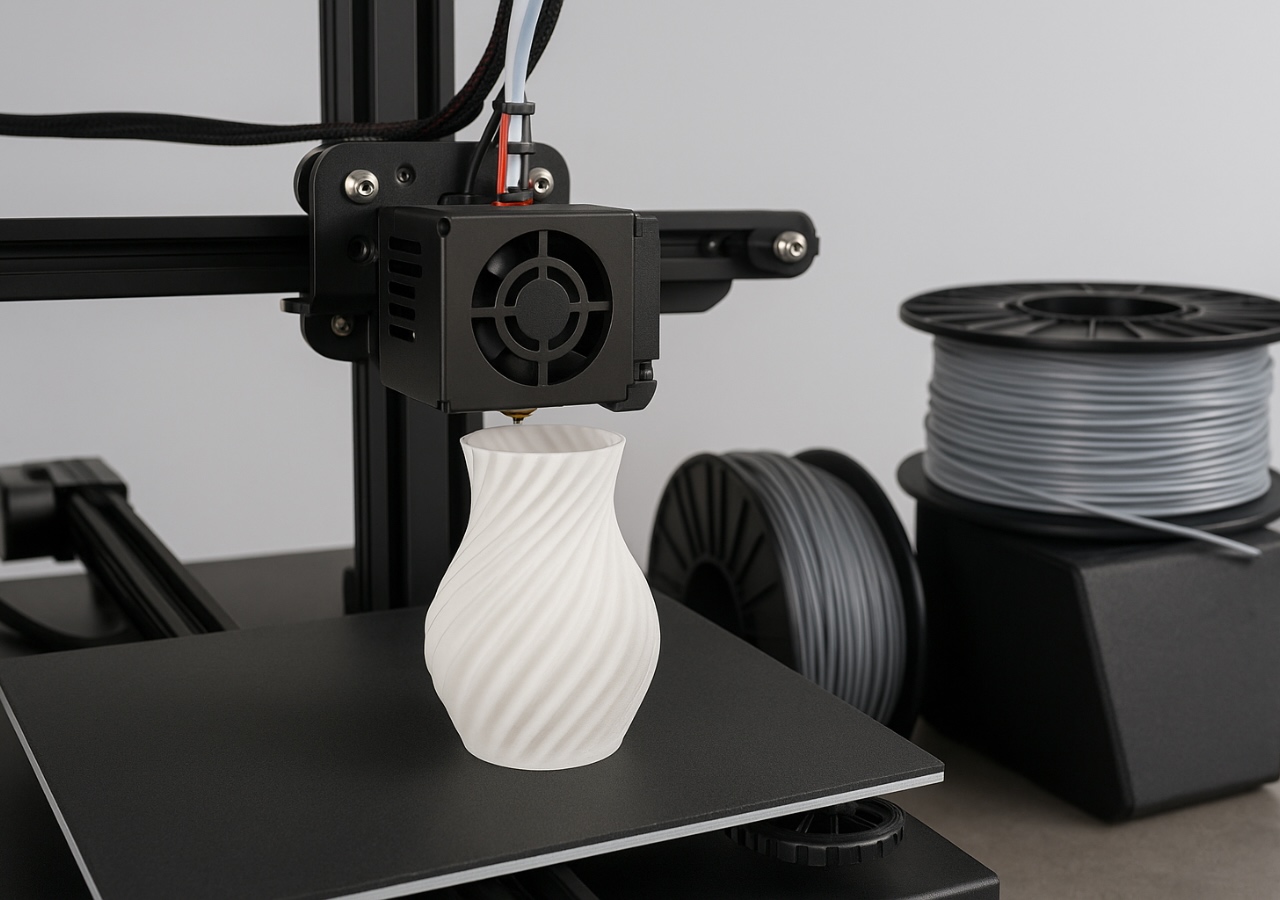
You can make money as a 3D printing content creator by using affiliate marketing and ads. When you make good 3D printing content, it can also help you make money in other ways. For example, you can sell the things you print in videos on your YouTube channel.
You don’t need expensive or advanced technology to make good 3D printing content for fans and business owners. Most of the people who watch 3D printing videos are hobbyists or people who want to make some extra money. It’s likely that their 3D printer isn’t the newest model, so showing how to make cool things for cheap makes for interesting content.
You could try reviews of products, how-to videos, walkthroughs of software, demos of 3D-printed products, or help with 3D printers. Put your time into content that your target audience will like. You can make more money the bigger your audience gets.
Possible income: How much you make depends on the platform, your reach, and how often you post. People who make content make money by:
-
- YouTube channels with a lot of views make $3 to $12 for every 1,000 views.
- Affiliate commissions: You can make 3% to 10% or more of the sale price of each product sold through your links.
- Sponsorships: Once you have an audience, printer or filament companies may pay you $100 to $1,000 or more for each video you make.
- Selling products: You can sell STL files, courses, or printed goods that are shown in your content.
- A small but active audience can make $500 to $2,000 a month, and top creators much more.
Making money with your 3D printing skills
Here are some ways to make money with your 3D printing skills:
-
- Make a TikTok or YouTube channel. Watching 3D printing is fun. You can make time-lapse videos of your prints, show how to fix problems, open new printers, or review different filaments. Once you have an audience, you can make money with YouTube ads, brand sponsorships, or affiliate links.
- Produce online classes or e-books. Selling beginner tutorials, tips unique to niches, or workflow tips are easy on websites such as Gumroad, Udemy, and Skillshare. It is also possible to sell good templates, checklists, slicer profiles, and project plans to print out.
- If you can attract enough visitors you can start a blog or a newsletter and post tips, reviews, and other behind-the-scenes information to earn money via affiliate marketing, sponsor posts, or selling ad space.
- Provide coaching or consulting: People need their printers fixed, their print settings done more optimally, or to be more expert at design. You can help them, one-on-one. There are businesses who will even pay you to assist them to establish their own printing procedures.
Leverage Print-on-Demand Services
Shapeways is a place to buy and sell 3D prints, and it works like a print-on-demand service. You can use Shapeways to make an online store where you can sell your designs. When you’re done with your design, Shapeways lets you choose from a variety of 3D printing materials and finishes, such as plastics, precious metals, and porcelain. The type of material you choose affects how much you pay for each item Shapeways makes. At that point, you decide how much your customers will pay for the item. After customers buy something, Shapeways 3D prints it and sends it to them.
How to begin:
-
- Make your design and upload it: Use CAD software to make your 3D model, then upload it to your Shapeways account.
- Choose your materials: Select from the available materials and finishes that best suit your design.
- Set your markup: You can control how much money you make by setting the retail price higher than Shapeways’ base manufacturing cost.
- Set up your storefront: You can either open a shopfront or connect your Shopify store to Shapeways. This will give you a more branded experience.
- Promote your store: Use social media, SEO, and email marketing to get people to visit your store and buy your products.
Possible income: Since you don’t have to do any of the work yourself, the margins may be lower than if you printed the products yourself, but it’s all done for you. Depending on the niche and materials you choose, markups usually range from 20% to 100% or more.
Offer Specialized 3D Printing Services
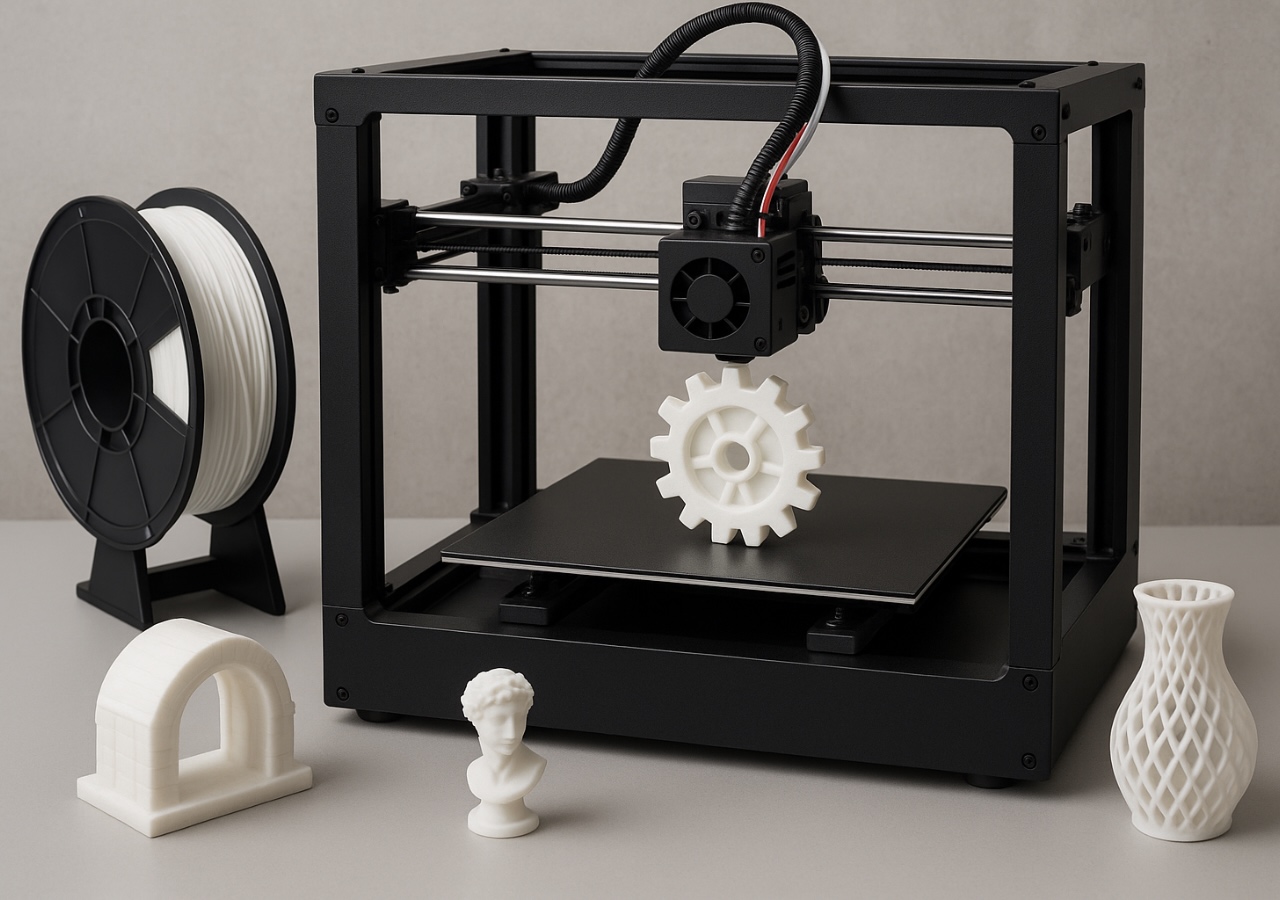
By providing specialised 3D printing services, you are able to charge higher and to be different. This may be production of prototypes to product developers, models of properties to real estate companies or even tailor-made biomedical print to doctors and nurses. In the case of the individual in Malaysia who needs particular solutions, becoming a provider of specialized 3D Printing in Malaysia may turn out to be a profitable business.
Using 3D scanners to reverse engineer
3D scanners make exact digital copies of things, so you can use cheap 3D printing to make copies of things that are too expensive or out of date. Offer to take 3D scans for businesses that don’t have the equipment to do it themselves. This is good for customers who only need the raw scan data and can do the 3D printing themselves.
3D Printing Design And Consultation
You can make a lot of money helping people with custom orders for rapid prototyping and 3D printing. Advertise your services to inventors, new businesses, and established businesses—anyone who has an idea for a new or better product but doesn’t know how to make it happen. Having a strong background in engineering and computer-aided design will help you the most.
How to begin:
-
- Pick a niche: Based on your experience and the needs of your area, pick one or two niches to focus on.
- Improve your skills: Learn or improve your CAD, reverse engineering, and printer calibration skills. If you’re going to offer consulting, make sure you can confidently help clients go from idea to finished part.
- Buy high-quality tools: Specialised services often need printers with higher resolutions, better materials, or 3D scanners.
- Market to businesses and professionals: Get in touch with engineers, researchers, product designers, and startups.
- Make a portfolio: Show off your past work, prototypes, or successful partnerships.
Possible income: The specialised services normally attract higher prices. You can charge 50 to 200 dollars an hour or more for design or consultation work, 300 to 2000 dollars or more depending how hard a project is to prototype, and 150 to 800 dollars or more depending how large it is and what type of file it is per 3D scan.
Dropship 3D Printers, Parts, and Materials
If you turn to dropshipping, you can sell 3D printing supplies online without concerning shipping or keeping the inventory. You may open your online shop to sell 3D printers, parts, and any other material of other companies, which will ship your customers directly. Establishing a dropshipping business is simple since the customer does not have to pay to purchase goods and rent out a place to store the products. This saves you more time to seek customers and offer them excellent service.
How to begin:
-
- Choose a niche or area of expertise: You could focus on beginner 3D printer bundles, advanced accessories, eco-friendly filaments, or DIY printer parts.
- Find trustworthy suppliers: Use sites like AliExpress, MatterHackers, or Printify (for 3D-printing-related items) and checking them out thoroughly.
- Set up your store: Use Shopify to make your online store. Make it look like your brand and niche.
- List items and write descriptions: Use photos and specs from the supplier, but write your own helpful descriptions to improve SEO and sales.
- Launch and promote: Use social media, search ads, partnerships with influencers, or content marketing to get people to visit your site.
Possible income: Dropshipping has closer margins, and your revenue greatly relies on the number of sales and the niche you are in. You are likely to get 10-40 percent of the profit with dropshipping depending on the supplier and your successful negotiation of the prices of your products. A good dropshipping store can earn you between 500 and 5,000 dollars or more per month.
Finding trustworthy suppliers
Find partners who consistently provide good quality, quick shipping, and helpful customer service. Your brand’s reputation is still on the line, even if you don’t fill orders yourself.
Offer Technical Support for 3D Printer Setup, Repairs, and Maintenance
When you first set up a 3D printer, you need to calibrate it. 3D printers, like all printers, can break down and need to be fixed. A lot of people and businesses are happy to hire someone else to do this work. If you want to get the most clients, learn how to use different 3D printers, their software, and how to fix common problems. You will also need to buy the tools and spare parts that printers need to work.
How to begin:
-
- Study to operate the equipment and software: Research in trending consumer and prosumer printers and slicer software.
- Begin by using your own printer or performing your services at discount to your friends or local companies until you improve your skills at repairing items.
- Create a service menu that expressly demonstrates what you can provide and what it costs.
- Advertise in local community groups, school discussion forums, Facebook marketplace, or maker groups to create awareness locally.
- Client feedback: Reviews and testimonies also help to build credibility.
Possible income: More than 275 dollars per hour you will earn working technically. Other techs will bill you per hour to do troubleshoots and provide tips. Service packages are what provide recurring income, sometimes you will find quarterly maintenance checks or a full tune-up of the printer.
How to Make Money from Your 3D Printing Hobby?
Starting a 3D printing business from a hobby gives you a lot of freedom. You can make money by selling custom items, printing for local businesses, or making digital files that make money on their own. You can start a business making whatever you love, whether it’s cosplay props, engineering parts, jewellery, or educational tools. There are so many ways to specialise. Consider how your 3D Printing Creations Malaysia can cater to local needs and trends. For customers seeking a specific 3D Model Printing Service or other Custom 3D Printing Services, clearly outlining your offerings will be key.
Necessary Tools for a 3D Printing Business
To get off to a good start, you’ll need:
-
- A dependable 3D printer: The Bambu Lab P1P, Prusa i3 MK4, or Creality Ender 3 are all good places to start. FDM printers are good for making things in general, but resin printers are better for making small things like miniatures or jewellery.
- Slicing programs: Cura, PrusaSlicer, or Bambu Studio are all slicing programs that help you get your files ready to print.
- CAD software is used to make or change designs.
- Materials: Get a lot of filament or resin. PLA is good for everyday prints, but PETG, ABS, and speciality resins are better for tough jobs.
- Tools for post-processing include sandpaper, hobby knives, isopropyl alcohol (for resin prints), and paints or sealants.
- A dedicated workspace: A clean, well-lit, and well-ventilated area keeps everything running smoothly and safely.
We’re here to help you with any questions, feedback, or project ideas you may have. Whether you’re just getting started or you’re ready to bring your 3D printing vision to life, feel free to Reach Out. Let’s connect and explore how we can work together.