
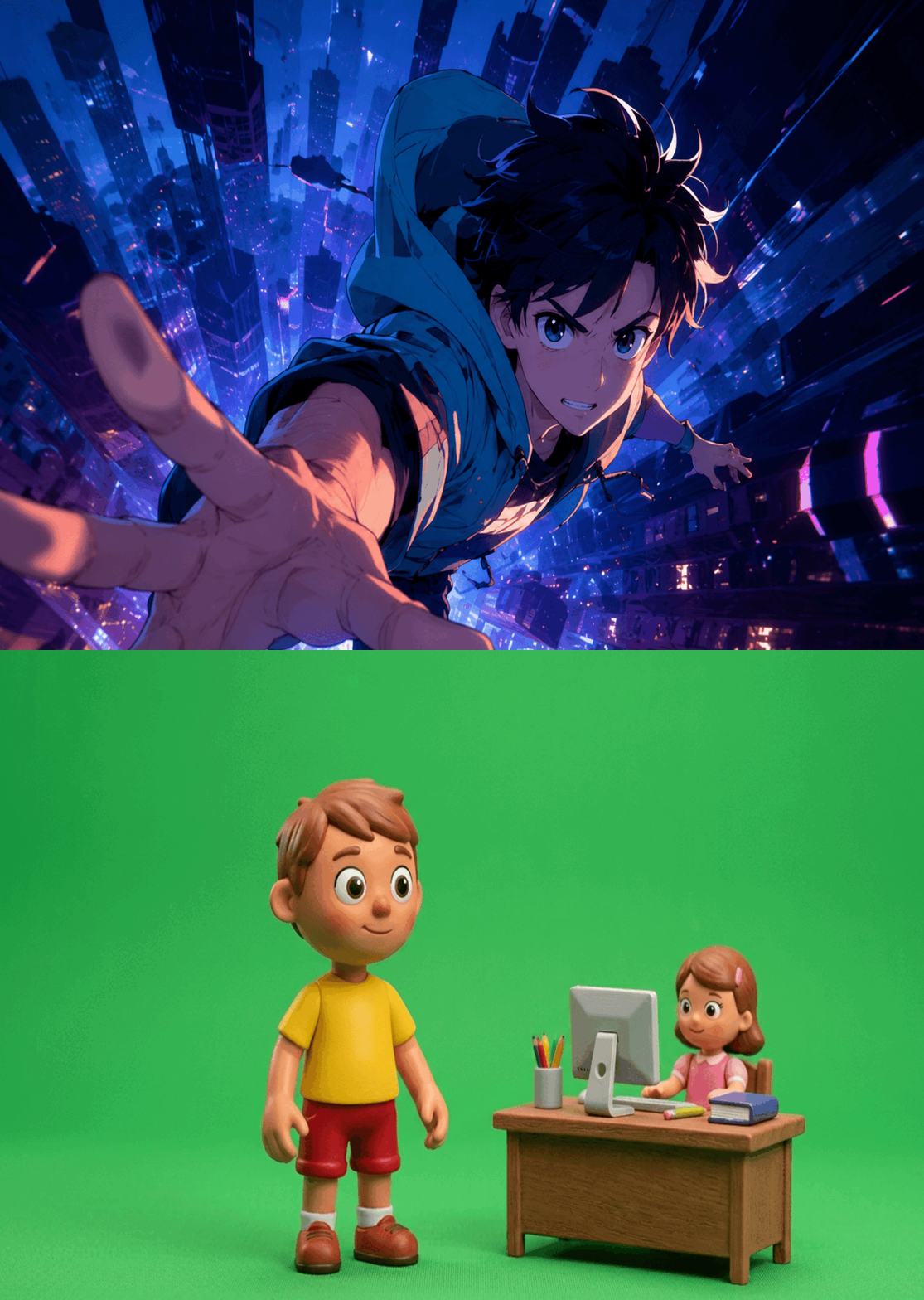
Animation Style Types
How a story looks can shift its mood entirely. Handmade drawings bring a soft rhythm to scenes. Digital creation often moves with sharper precision. Clay shapes give weight, while paper cuts add texture. Mixing real film with animated parts creates surprise. Every method breathes separate life into the tale. Memory holds onto these differences without trying.
Most folks start seeing real possibilities only after they’ve figured out the various kinds of animation. Each one acts a bit differently – some shine in certain situations, others fall short. Picking the right kind matters a lot if you’re making videos for ads, company updates, or fun projects, since the look shapes how people feel about what’s being said.
Picture flipping open a book where every page shows a different way to bring drawings to life. Each method moves images in its own rhythm, suited to certain kinds of stories. Some styles slide smoothly, others jump with energy, matching mood and meaning in quiet ways. You start seeing which ones carry weight, which feel light. It becomes clear how timing, shape, and motion pair with words. Choices emerge not from rules but from feel. A pause here, a flicker there – they steer attention without shouting. This isn’t about right or wrong picks, just fit. What lives in your head might need bounce, stillness, speed. Match it well, the audience leans in, unaware why.
Best Animation Styles
1. Traditional Animation Style
Cel Animation Hand Drawn Animation
Pencil on paper, line after line – that’s how it began. Each picture built slowly, drawn separately, flipped through like pages in a book to fake motion. Hours fold into single seconds, every stroke needing care; yet when balanced just right, something alive shows up, soft in its gestures, full of quiet feeling.
Old-school cartoons, sometimes known as cel animation, come alive through hands-on craftsmanship seen in legendary movies. Films such as Snow White, Pinocchio, and Bambi came together one drawn moment at a time – each scene captured by laying colored cels over rich painted backdrops. What sticks with people isn’t just motion – it’s how the lines breathe, waver, feel real. That handmade touch adds warmth, making figures seem more honest, more felt. Even though digital tools now move quicker and bend easier, those pencil strokes set the rules others follow without saying it out loud.
2. 2D Animation Style
On screen, 2D Animation Style brings old-school cartoon methods into today’s workflow. Rather than drawing by hand and snapping pictures of every pose, creators now shape images straight inside programs such as Adobe Animate or Toon Boom Harmony. Because of this shift, building characters becomes smoother, setting up their motion controls feels more natural, while scene work moves forward without rebuilding everything again and again.
Wherever clear communication is key, this look finds its place. Explainer clips, learning modules, mobile app guides – each uses it differently. Social posts lean on it too, when getting the message across fast counts most. Simple shapes meet friendly colors in these scenes. Brands aiming to say something straightforward often turn here. Motion stays smooth, never overwhelming. Ideas land easier when visual noise fades out. A flat world can still feel alive.
With its hand-drawn appeal still intact, 2D animation speeds up how projects come together. Since pieces get used again later, changes take less time, yet motion tweaks won’t wreck earlier work. Because of this, companies end up with clean animations minus heavy expenses tied to tougher methods.
3. Motion Graphics Animation Style
Text moves. Shapes shift. Icons appear alongside clean lines and simple forms instead of full drawings or people acting out stories. These pieces build understanding through motion, using rhythm more than dialogue. Think opening credits where letters dance across screen before settling into place. Picture data turning into rising bars without needing words to explain. Interface parts slide in smoothly during walkthroughs you’ve likely seen online. Ads use them too – quick, clear, no actors required. Brand videos lean here when showing how something works matters more than who uses it.
Most times, clients get better results when we bring ideas to life through moving visuals. Instead of static images, these animated pieces guide viewers step by step – making numbers easier to grasp, steps simpler to track, features clearer to see. Smooth flow keeps attention without drawing focus away from the core message. When something complicated needs to feel straightforward, this method quietly makes it happen.
What makes it click? The way it bends to fit any space. Slide it into a tweet, drop it on a homepage, toss it in a slideshow – still hits just right. Even stretched across cinema screens, none of the punch goes missing.
Most times, this approach stands out when clarity matters more than personalities. Storytelling shifts smoothly here – no characters needed. You’ll spot it in tech explainers, product walkthroughs, company updates. The method fits neatly where structure beats flair.
4. 3D Animation Style
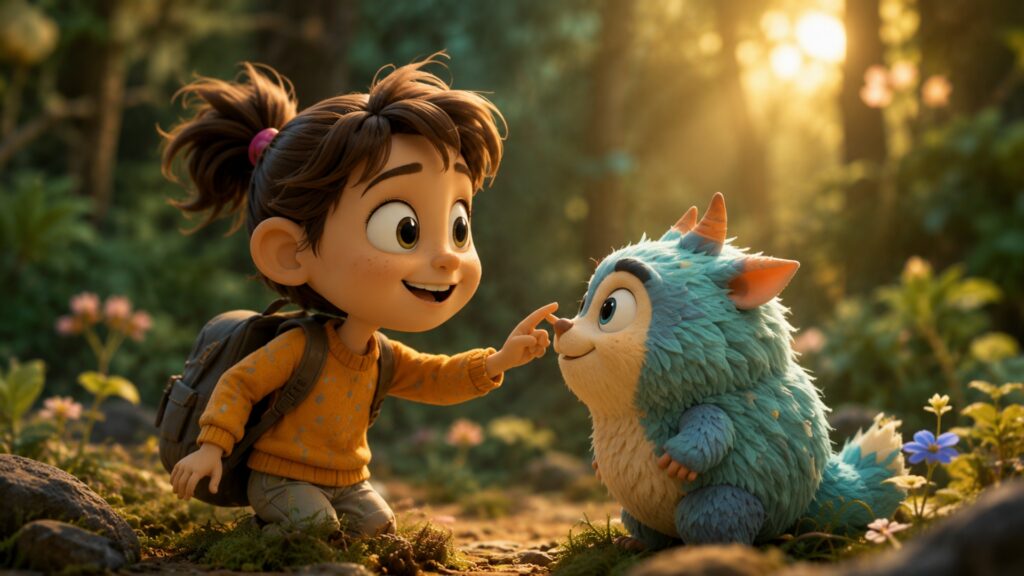
Deepness, full shapes, space that feels real – those come through 3D Animation Studio Malaysia. Not stuck redrawing each moment, creators shape digital figures, items, settings first. Movement happens later, tucked into a three-dimensional world.
Light hits these models just right, so they look solid, almost touchable. Texture adds depth, making them seem like things you could hold. Motion gives them weight, a sense of being somewhere real. The outcome? Less flat, more grounded in what we know.
From cartoons to digital play, three-dimensional movement shapes how stories unfold on screen. What you see when figures walk through rich scenes comes alive because of this tech. Buildings take form in virtual space before they exist in real life. Smooth turns, close views – products get shown without limits. Motion that feels real happens step by step behind the curtain.
Most kids’ programs pick it simply due to repeatable designs – identical models fit countless scenes, no redrawing needed each time. Should a scene demand lifelike motion, adaptability, still shine through cleanly rendered frames, Industrial 3D Animation often fits best.
5. Stop Motion Animation
Picture by picture, stop motion builds its world differently than most kinds of animation. Rather than using drawn sequences or computer models, it captures actual things on camera – each frame taken after tiny shifts are made. When strung together, the changes make it seem like the objects move. Frame follows frame, life emerges from stillness.
From tiny clay figures to crumpled paper bits, movement finds a way in stop motion. Real folks leap into frame alongside handmade dolls when cameras click between shifts. Think Coraline slipping through her eerie door, or sheep bouncing across green hills without uttering a word. Odd trinkets pulled from drawers turn lively under careful lighting and patience. Even Wallace and Gromit’s kitchen feels alive, each spoon nudged just so between shots.
Stop motion grabs attention because it looks like someone built it by hand. Each shot shows real texture, tiny flaws, the way light hits uneven edges – this stuff adds soul. The frames do not move perfectly smooth; instead, they carry weight, history, small shifts you can almost touch.
It shows up a lot in quick ads, especially on social media. When brands crave a look that stands out from typical animated clips, they turn here instead. Visual flair matters more than polish sometimes. Crafted moments beat generic motion nearly every time. Short bursts of this feel less like tech, more like art made by hand.
6. Whiteboard Animation Style
Something about how drawings unfold holds attention. With every new image, curiosity pulls the viewer forward. This pull explains its rise in explanation clips – still common today across teaching materials, workplace lessons, and company messages.
Picture by picture, the story moves forward – guided by voice, shaped by hand-drawn frames. Not flashiness but clarity carries the point home. Businesses find it works well when showing how something functions, step by steady step. Complexity fades into simplicity, one sketch at a time. The method skips heavy production yet keeps understanding sharp.
Whiteboard animations pop up often during employee orientation, pitch prep, or team learning sessions since they strip things down to basics – clear, straightforward, yet never overwhelming. A marker strokes across a blank surface, ideas unfold step by step. Visuals build as voices explain, keeping pace without clutter. These clips stick around simply because they make tough bits feel light.
7. Claymation Style Animation
Surprisingly, many top animated films come from claymation. The charm lies in how everything is actual, tangible, built by touch. Hands mold figures, objects, scenery out of malleable material – each nudge captured one shot at a time. Though rooted in stop motion, it carries a gentler vibe, rougher edges hinting clearly at human hands shaping each second.
What stands out most are films such as Chicken Run, alongside Wallace & Gromit – traces of hands shaping clay show through wobbles, tiny shifts in motion. A small flaw here or there slips into the charm, giving it warmth. It’s that touch of irregularity making the look its own, somehow closer to how people really move.
Clay bends without breaking, which helps characters twist into vivid emotions. Expressions pop with energy – slightly unpredictable, like they’re alive on their own terms. Not just for children anymore, this technique sneaks into odd commercials and tales that refuse to follow rules. Movement flows loose, wobbles included, giving scenes a pulse few other styles match.
8. Animation with live action
Picture real people moving through a story while drawings dance beside them. Film brings truth to the moment, whereas imagination fills gaps only cartoons can reach. Scenes hold together when shadows fall right on paper heroes. The camera does not lie, yet sketches bend light in ways that feel just natural enough.
Out there among the old-school mashups, Space Jam stands tall – cartoon figures stepping into real-world scenes beside live performers. A mix that somehow just works, where drawn faces share courts and conversations with human stars. Moments blend when ink meets flesh under stadium lights. Not often done right, yet here it feels natural. Lines blur without breaking immersion.
Films today might slip computer-made animals into real footage, keeping everything feeling grounded. Sometimes these fake beasts move just like living things, blending right into the scene. You could watch a character interact with something that never existed, yet it feels natural. Modern tricks help images sit comfortably in ordinary moments. Reality stays intact even when fantasy walks through. Digital life forms appear so smoothly you forget they are drawn. A creature born from code may act as if it breathes air.
9. Cutout Style Animation
Flat shapes move easily when they need to tell a story. That’s part of why cutout 3D Animation sticks around. Each arm or leg works on its own, like stiff paper dolls nudged into motion. In digital form, these parts twist and slide across the screen without depth. Simple materials make complex movement possible.
Back then, people would slice pieces apart, move them around manually. Software now mimics that exact effect just as well. Monty Python’s Flying Circus leaned into cutout motion to fuel bizarre comedy sketches. Digital methods gave South Park its jagged, homegrown appearance at first. What really holds attention isn’t movement frame by frame – it’s how tales unfold across episodes.
With fewer steps involved, cutout animation fits tight schedules or limited funds without strain. Its look – polished but with an edge – lands right at home in quirky, humorous, or sharply ironic stories.
10. Kinetic Typography Animation
Words take center stage when they dance across the screen. Motion gives them rhythm, timing shapes their impact. Text might slide in from nowhere, pop suddenly, fade slowly – each movement adds meaning. Often spotted in quick online clips, event intros, digital ads, short films for apps, or company highlights. Wherever sentences must pull attention, kinetic type steps up.
When sound is off, clarity matters most – eyes catch what ears miss. Movement pulls focus, slows or speeds how we take it in, helps thoughts stick. Words alone sit quiet, but motion wakes them up, a trick filmmakers used long before screens filled every room. Even now, that small shift – from still to moving – makes the difference between glancing and seeing.
Numbers jump when letters move across the screen. A headline lands harder if it arrives at the perfect moment. Timing shapes how a message feels, not just what it says. Energy comes from motion, even small shifts between words. Structure hides inside pacing more than people notice. Tone builds through speed, pauses, emphasis – quiet choices that speak loud. Key points stick better when they appear like events, not just lines of type.
11. Anime Animation Style
Nowhere else does art blend so deeply with youth culture like in these animated works from Japan. Though often called cartoons, they act more like shared dreams across borders. Picture this: ads borrowing their look, brands copying their mood, products shaped by their vibe – all aiming straight at hearts under thirty. When tales dive into made-up worlds or crack open feelings most ignore, guess which style leads the way. Emotion runs high where colors pop and eyes glow larger than life. Stories once seen as niche now shape how entire generations see love, pain, even time itself.
Out of Japan comes a kind of moving picture called anime – faces shout feelings, lines cut sharp, places bloom with detail. A man named Hayao Miyazaki stepped into that world early, shaping how stories unfold there in ways folks now see as its core rhythm.
Out of nowhere, Studio Ghibli began reaching more people than ever before. Take Spirited Away – it proved animation can pull you in deep, not just with its look but with raw feeling too.
Now, people everywhere watch far more anime than before. This shift made it a big deal in entertainment. Brands often pull from its look lately – when aiming for something bold, full of feeling, or tied to now.
Wrapping Up
Whatever you’re trying to show shapes which kind of animation works. Get on a call with us now. Whiteboard sketches often feel clean, quick to produce, leaving room for tighter budgets. A polished finish usually comes through motion design or three-dimensional effects instead.
Got a project needing animation but stuck on picking how it should look? We’re here to point you in the right direction. What fits your idea might not fit another – matching motion to message matters. A certain vibe can come through when frames move just right. Sometimes slow movement tells more than fast cuts. Other times, bold shapes say what words cannot. How something flows changes how it feels. Timing shifts everything. Even small bounces add life nobody knew was missing. Think about rhythm before deciding. Visuals speak without sound if built well. Clarity hides in choices most overlook.