
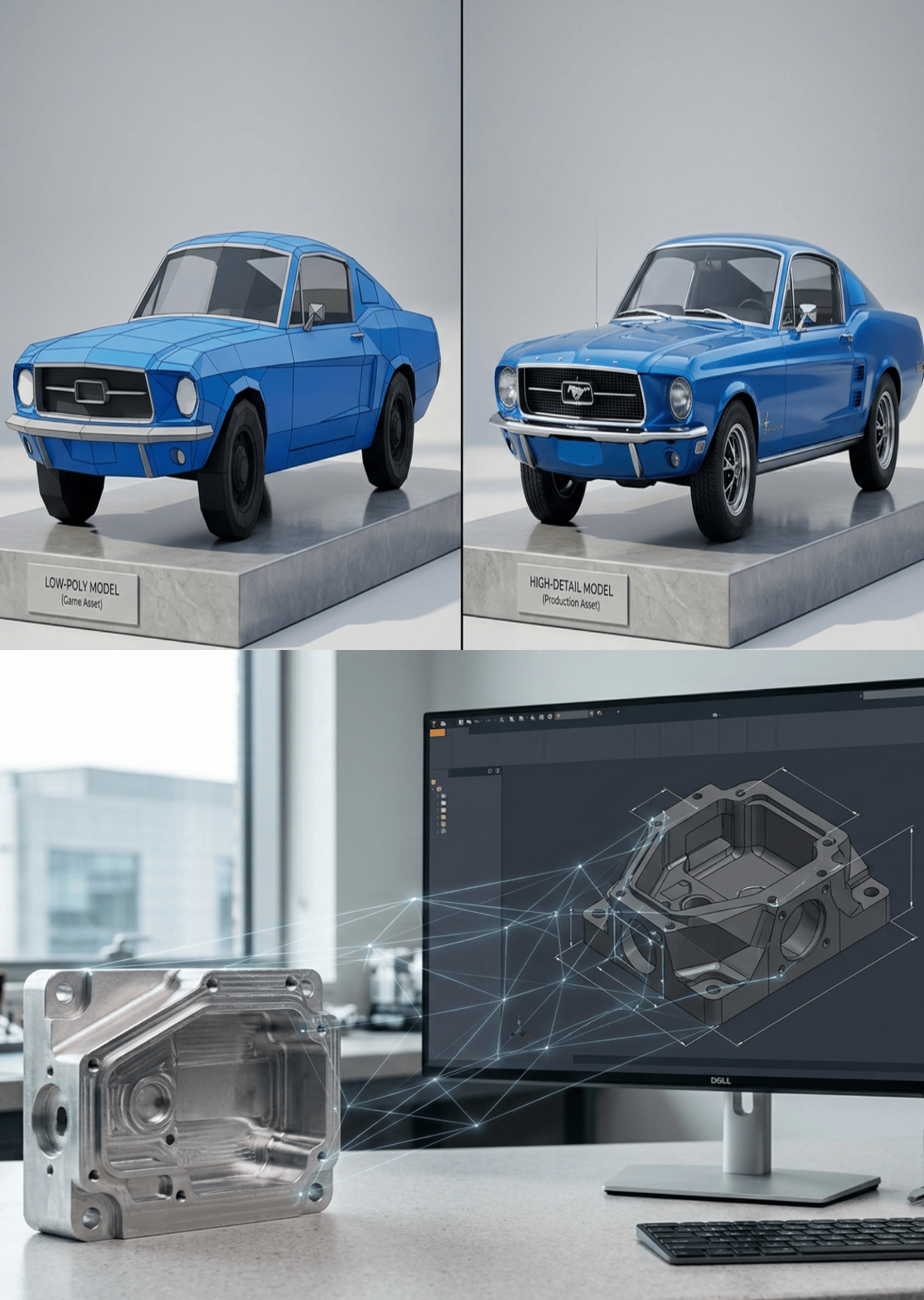
The Definition of a 3D Model
What Is 3D Modeling? Simply put, a 3D model is a polygon (small surfaces) without any textures (colors, paint, labeling, etc.). You can think of it as a “digital” statue made of clay without paint.
Learn more about what a 3D model is, what it is used for, what benefits it offers, how it is created, what tools are needed, and how much it can cost.
Especially in the fields of design and engineering, but also in animation and many other industries, the 3D model has become an important aid in the design and display of objects and ideas.
With its ability to represent objects and environments in 3D, it has fundamentally changed the way we create and experience digital spaces.
What is a 3D model?
What is it not? A 3D Model is a digital object or scene created in computer software. Unlike 2D modeling programs, 3D modeling software creates an image with depth so you can look at the object from different sides. 3D models are realistic depictions of real-world objects.
Many consider a 3D model to be the finished rendered image of the 3D model, but in practice, a 3D model is the actual object, which then receives its shape, color, and appearance in a separate process called shading.
What are 3D models used for?
There are a variety of uses for 3D models. Here are some of the most prominent:
Architecture & Engineering
Architects and engineers use 3D models as a design aid. Based on the 3D model, movies, animations, or images are created, with which the architecture is presented. 3D models are often used in engineering to test and analyze how the architecture functions.
Entertainment and Media
3D models can form the basis for CGI images, animations, or videos. They enable the realization of computer-generated films, video games, and VR content.
Product design and industrial engineering
3D models are used as a design aid in prototyping and optimizing products in industrial engineering.
Medical and scientific visualization
3D models or visualizations based on them are used in medicine and science to visualize, document, and analyze information and research objects.
What are the benefits of 3D models?
3D models offer various advantages:
Better Visualization
Thanks to the realistic depiction of objects and their surrounding space, a 3D model provides an impressive experience for the user. It enables a better understanding of the object and allows a closer look at all sides.
Improved Collaboration
The 3D model enables faster and better communication and collaboration with project stakeholders because it allows a more realistic impression of the future product. This shortens development times and reduces errors.
Cost and Time Savings
Using 3D models reduces the need for physical prototypes, shortens the time-to-market, and reduces project costs.
Marketing and presentation
3D models can be used very well for marketing purposes and to introduce products, architectures, or objects. Thanks to the many possibilities of computer graphics, impressive presentations can be created, which help to arouse interest in the product.
How can a 3D model be used?
A 3D model can serve many different purposes. For example:
Visualization
For architects, a 3D model serves as a digital basis to display their ideas. With the help of photorealistic renderings, clients can experience the planned building as if it were already finished.
Simulation
The 3D model can be used to simulate real-world phenomena. This makes it possible to display objects and their functions that are not normally visible.
Animation
The basis for animated films and video games is the 3D model. Together with animation and rendering, amazing computer-generated images can be created.
Virtual Reality (VR)
For virtual reality, 3D models are essential. With VR, digital worlds, objects, and environments can be experienced. One exciting application of VR is the design and presentation of architecture.
Augmented Reality (AR)
Like VR, AR also uses 3D models to overlay digital objects and environments onto the real world. For example, in fashion and shoe shops, customers can see what a specific product looks like on them.
3D Printing
3D Models for Printing can be used as input for 3D printers. This makes it possible to manufacture almost any product in prototype or finished form.
Education and training
The use of 3D models can be very helpful in teaching and training to show students objects and environments that are not available to them in reality.
What tools are needed to create a 3D model?
In order to be able to create a 3D model, one needs two things: the appropriate software and the skills to use it. Some important 3D modeling tools are:
Computer-Aided Design (CAD) Software
This includes programs such as AutoCAD, SolidWorks or Blender. These programs are used when precise measurements, realistic materials, and real-world objects are required – for example, in architecture and engineering.
3D Sculpting Software
With such programs as ZBrush or Mudbox it is possible to create 3D sculptures digitally.
3D Modeling Software
With such programs as Cinema 4D, 3ds Max or Maya amazing 3D models can be created, animated and rendered.
Photogrammetry Software
Such programs as RealityCapture or Agisoft Metashape make it possible to create 3D models from photographs. 3D scans are an option in the aforementioned programs, but photogrammetry is different from 3D scanning.
How can a 3D model be used?
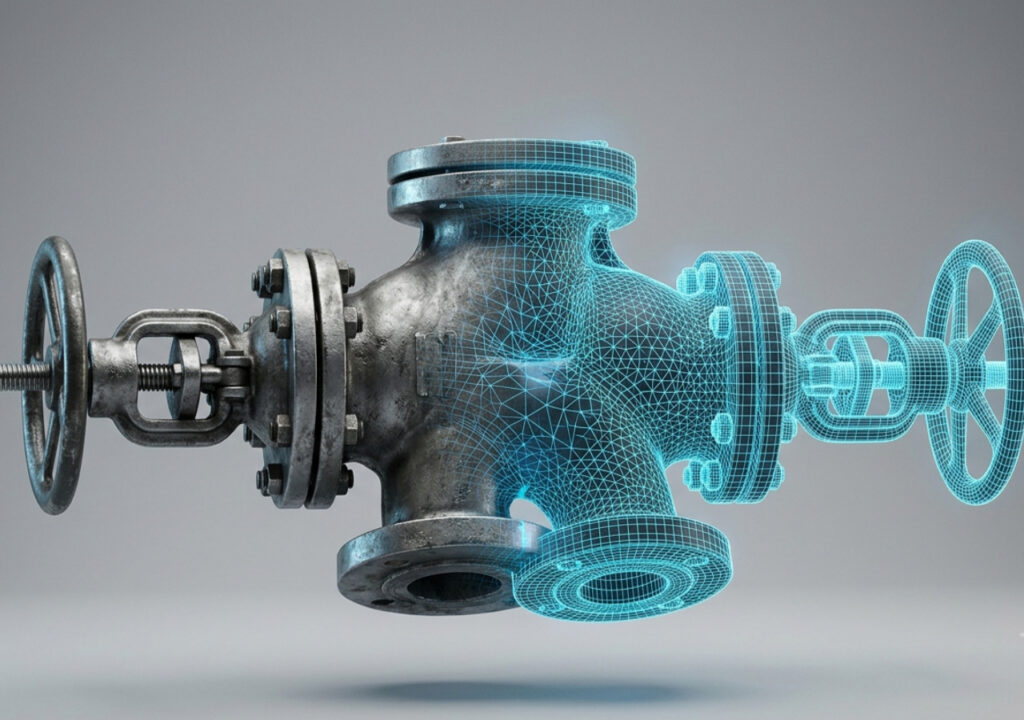
As described above, there are many possibilities for using 3D models. Here are some examples:
Visualization
A 3D model can be used to create amazing visualizations. As an example, you can use the 3D model to create an animated film. In architecture, for example, such a visualization could be used to show the client what the building would look like.
Simulation
With the help of a 3D model, it is also possible to carry out simulations. That means making visible what is usually not visible to the naked eye. For example, with the help of a 3D model, simulations of different physical phenomena can take place.
Animation
As mentioned earlier, a 3D model can be animated. This makes it possible to create amazing computer graphics, for example for films or video games.
What does it cost to create a 3D model?
The costs for creating a 3D model largely depend on the following criteria:
Software
Depending on the required level, the costs for the software vary greatly. On the one hand there are free programs, on the other hand, medium-range programs cost several hundred euros, while professional programs cost several thousand euros.
Hardware
To be able to work with the software, of course, a PC or Mac is also required, which can vary greatly in price. Especially with photorealistic renderings, the hardware required can be extremely expensive.
Training
To learn how to create a 3D model, one has to acquire knowledge that must first be learned somewhere. The costs of training or practice vary greatly depending on the level of difficulty. 3D designers or 3D artists can acquire their skills through self-learning, but they are generally highly qualified specialists who have successfully completed an apprenticeship or studies.
Outsourcing
If the company does not have the resources to create a 3D model internally, it can always rely on 3D Modelling Company services. Depending on the scope of the task, this option is significantly more cost-effective.
3D Printing
If a 3D model is to be printed, the costs incurred also have to be added. The costs depend on the type and scope of the project. The actual 3D printing can also be outsourced to a 3D Modelling Studio.
Conclusion
3D models have become an essential part of modern design, engineering, manufacturing, entertainment, and education. By understanding how they are created and used, businesses and individuals can take full advantage of digital visualization and rapid prototyping technologies. If you’d like to learn more about professional 3D modeling solutions, get in touch.