

More and more companies hire outside animators to make high-quality visual content instead of hiring their own animators. When you Outsource Animation, you hire other businesses or freelancers to do different parts of the animation process, like coming up with ideas and making the final product. This can help you save a lot of money while still keeping the quality high. This method works for all types of animation, such as 2D and 3D animation and motion graphics used in ads.
When companies need a certain skill set for a project or want to boost their marketing without hiring more full-time workers, they usually hire outside animators. When you outsource animation, you find the right animation partner, make sure everyone can talk to each other clearly, and set up quality control systems. Outsourcing lets businesses hire people from all over the world, which lets them focus on what they do best.
Table of Contents:
- What Does It Mean To Pay Someone Else To Make Animation?
- How Outsourcing Animation Saves Money?
- Six Types Of Animation Services That Businesses Often Outsource
- The Animation Outsourcing Process
1. Initial Meeting And Project Preparation
2. Proposal And Agreement
3. Pre-Production Planning
4. Production
5. Review And Revisions
6. Final Delivery And Post-Production - Choosing The Right Animation Service Provider
- How Much Does It Cost To Outsource Animation?
- New Trends In Outsourced Animation
What Does It Mean to Pay Someone Else to Make Animation?
Instead of doing animation projects themselves, businesses or freelancers pay other businesses or freelancers to do them. This way of doing business has grown more common since the late 1950s, when American animated shows on a budget started sending work to studios in other countries.
The main idea behind outsourcing animation is to hire a company or freelancer that isn’t part of your own business to do the work. This could be work with 2D or 3D Animation Outsourcing, motion graphics, or other types of visual effects.
You can hire someone else to do animation in several ways. Some companies hire other companies to do all the work on a project, while others only hire them to do certain parts of it. This flexibility lets businesses customize the Outsource Animation Services partnership to fit their needs.
The method has become a strategic business plan that helps companies take on more animation projects while spending less money. This greatly helps businesses that need animation services but can’t afford to hire a full-time animation team.
How Outsourcing Animation Saves Money?
Businesses can get high-quality animation for less money by outsourcing. Many studios outside of the US charge less for professional services. This lets companies stay within their budgets without sacrificing quality.
Getting skilled workers – Animation studios do things in their own unique ways. This lets businesses hire professionals who can make their creative ideas come to life exactly how they want them to.
The ability to change and adapt – When you outsource, you can change how much animation work you do based on what the client needs. Companies don’t have to hire a full-time animation team, which saves them money and makes it easier to keep track of their resources.
Faster turnaround times – Different time zones can help a business. Animation projects can finish faster because teams work all over the world at all hours of the day and night. This makes sure the work gets done on time.
Six Types of Animation Services That Businesses Often Outsource
Businesses often hire specialized studios to make animations for them. You can hire different kinds of animation outsourcing services depending on your project needs.
2D Animation: People tend to resort to 2D animation when they want to create ads, educational, and explainer videos since it is extremely inexpensive and can be edited with ease. This is the option that most businesses desire that do not need to spend a lot on creative visuals.
3D Animation: 3D animation makes the places and movements appear real, thus keeping people interested and the stories more engaging. The service makes the projects look more realistic and enjoyable, hence excellent in making the game, movie, and products demos trailers.
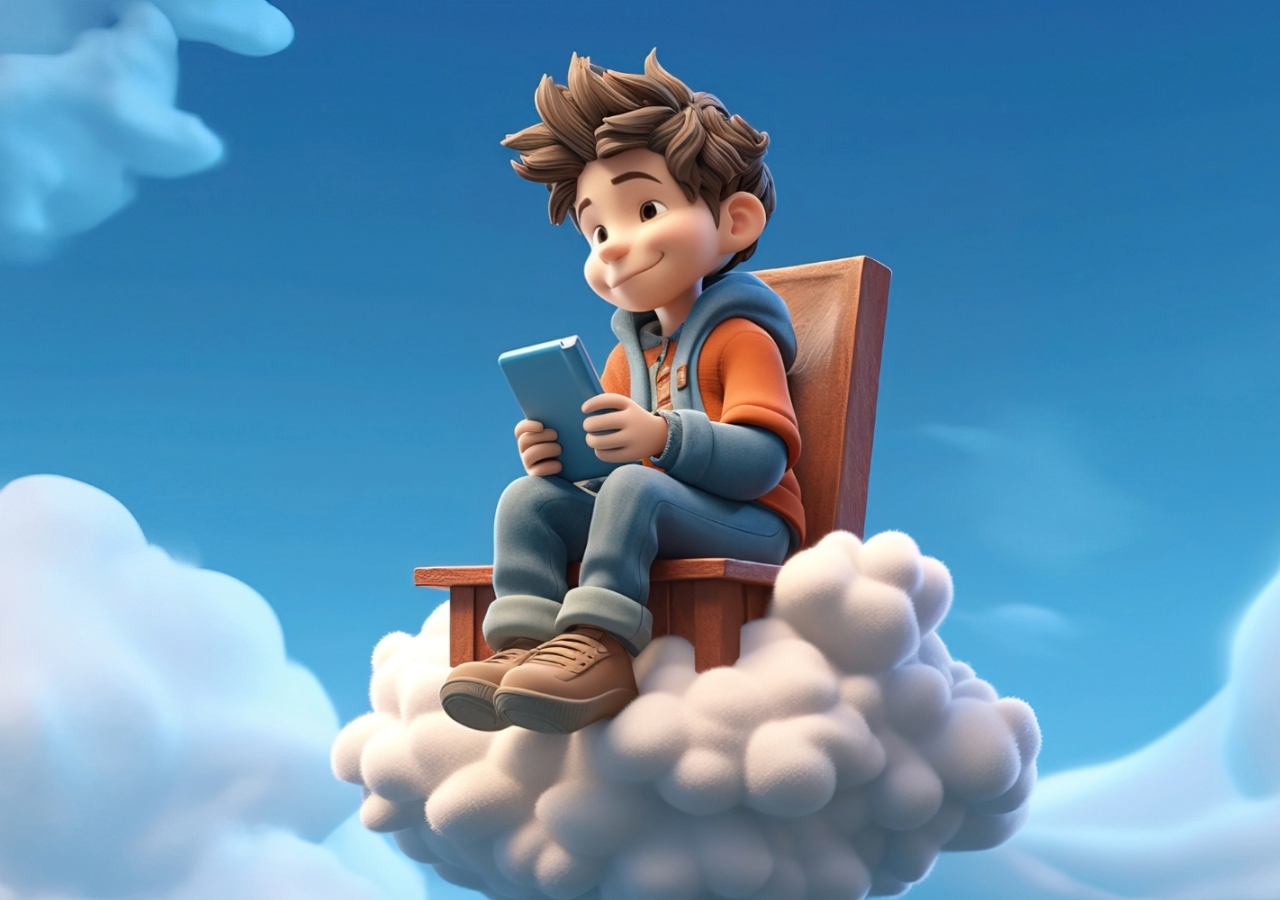
3D Modeling: The people and things that are incorporated in video games, animations and virtual worlds are created by digital artists. High quality 3D Models are required on projects where you are presenting characters, objects, or environments in lots of detail.
3D Rendering: The 3D models can be rendered more beautiful through addition of lighting, texturing and effects. Rendering is used to do the realistic previews of items that have not been created or constructed. This process is used in industries such as architecture, product design and entertainment.
Architectural Animation – These animations show the insides and outsides of buildings for projects in real estate and construction. They help clients and investors understand progress better.
VFX (Visual Effects) – VFX adds elements like explosions, weather effects, and fantasy settings to live-action videos. Filmmakers and advertisers use it to make beautiful images that would be hard or impossible to capture in real life.
Businesses can hire other businesses to do all of the animation work or just some of the steps in the production process. The right service depends on the project’s goals, budget, and timeline.
The Animation Outsourcing Process
Animation outsourcing happens when a client hires a freelancer or a specialized animation studio to do the work. The process includes several planned steps that turn rough ideas into finished animated content.
1. Initial Meeting and Project Preparation
The process starts with a discussion where clients describe what they need, what they want to achieve, and their main objectives. At this stage, service providers check the project’s plausibility and present their initial ideas both artistically and technically. We inform clients about the approximate cost and timeline so they understand the scope. Both parties often sign non-disclosure agreements (NDAs) to protect ideas and keep the work confidential.
2. Proposal and Agreement
After the initial meeting, the provider creates a detailed project proposal outlining every task. This includes full costs, deadlines, and deliverables. Both parties work to ensure the terms suit them. They define revision rules and payment milestones to keep everyone motivated and satisfied.
3. Pre-Production Planning
Creative planning – The team assembles key elements like concept art, storyboards, character designs, and style frames.
Technical preparation – The team selects the best software and tools, builds the animation pipeline, and assigns tasks based on each member’s skills.
4. Production
The production stage materializes ideas. Animation blocking, keyframes, filling in between frames, and refinements are created by the team to make the process realistic and emotionally appealing. The rendering process layers depth and texture and compositing is the process of combining components, into a whole scene.
5. Review and Revisions
Regular check-ins allow clients to give feedback. The animation team listens, adjusts, and improves the work. Quality control ensures each version meets high technical and creative standards.
6. Final Delivery and Post-Production
The team finalizes the animation, gets client approval, completes final rendering, integrates sound, and perfects color. At the end, the client receives the source files and finished animations.
Choosing the Right Animation Service Provider

The success of a project depends on finding the right partner. The right service delivers your vision, meets deadlines, and keeps communication clear.
Review portfolios and case studies – Look for styles that match your project and past examples from your industry. Case studies reveal problem-solving skills.
Request references – A good studio shares client testimonials and success stories.
Working with reputable Outsource Animation Studios increases the likelihood of a smooth, professional experience.
How Much Does It Cost to Outsource Animation?
Several factors affect the cost, ranging from $1,900 to $25,000 depending on style, complexity, revisions, and location.
Freelancers often charge hourly—around $150/hour—producing 10 seconds of animation per hour. A one-minute animation might cost about $900.
Factors that increase cost include:
-
- Type of animation (2D, 3D, or motion graphics)
- Project complexity
- Video length
- Number of revisions
- Location of the studio
- Turnaround time
Outsourcing to countries with lower labor costs can reduce expenses without sacrificing quality. To stay within budget, plan ahead and get detailed quotes from multiple providers.
New Trends in Outsourced Animation
Animation outsourcing evolves with new technologies and industry changes, giving businesses more options than ever.
AI in animation – AI automates repetitive tasks, cutting production time and costs.
Virtual reality – VR animations create immersive experiences unmatched by traditional formats.
Advances in 3D services – Modern CGI enables photorealistic rendering, even from small studios.
Game animation growth – Motion capture improves character realism in games and films.
Contact us to explore how our animation expertise can bring your ideas to life, from concept to final delivery, with creativity and precision.